
The allure of the tiny home movement, with its promise of simplicity and unique experiences, has created a golden opportunity in the short-term rental market. Starting a tiny house Airbnb rental business can be an incredibly exciting and profitable venture, tapping into a travel trend that continues to captivate the imagination of millions. However, launching this business requires more than just a cute cabin and an internet connection. The path from idea to a thriving, five-star rental involves meticulous planning, strategic organization, and flawless execution.
The short-term rental industry has its ups and downs, and successfully marketing your property as a desirable destination and yourself as a responsible, top-tier host is easier said than done. Thankfully, with the right knowledge and a solid plan, you can launch your tiny house Airbnb rental business and build a reputation that makes guests know they can rely on you for an unforgettable stay. A foundation of thorough research and dedicated effort can go a long way in building your tiny home Airbnb empire.
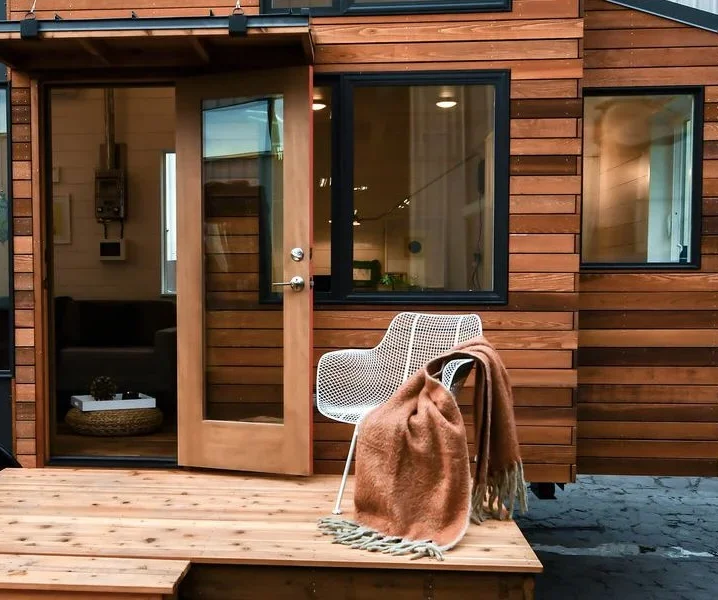
The State of the Market: Why Tiny Homes Are Thriving on Airbnb
Before you invest a single dollar, it’s crucial to understand the current short-term tiny house Airbnb rental business market and where a tiny home fits in. You may have seen headlines about the “Airbnb bubble bursting” or market saturation in certain areas. While this may be true for generic condos and spare rooms, tiny homes occupy a unique and resilient niche.
People are not just looking for a place to sleep; they are looking for an experience. A tiny home offers just that. Guests are often individuals deliberating about the tiny lifestyle themselves or are simply curious to know what all the fuss is about. They want to stay in an adorable, well-thought-out tiny home that feels like an adventure.
Here at SVOLTEX, we’ve seen this firsthand. At any event we attend, there are still lines of people waiting over an hour just to get a peek inside. This fascination translates directly to the rental market. Data consistently shows that tiny home occupancy rates are higher than other Airbnb types in any given location. Their novelty and unique appeal make them a more solid and defensible choice in the fluctuating Airbnb market. A well-executed tiny house Airbnb rental business is not just a side hustle; it’s a strategic investment in a high-demand travel category.
Step 1: Laying the Foundation with Meticulous Research and Planning
Before diving into your venture, you must take the time to thoroughly research and meticulously plan every aspect of your tiny house Airbnb rental business. This is the most critical phase and will determine your long-term success.
Understanding Market Dynamics
You must delve deep into understanding the intricate market dynamics of your chosen location. This involves analyzing trends and gaining deep insights into your target audience. When researching the market demand for tiny home rentals in your target area, consider factors such as:
- Tourist Attractions: Is the area near national parks, beaches, ski resorts, or popular hiking trails?
- Local Events: Does the town host popular festivals, concerts, or conferences that draw in visitors?
- Popularity of Alternative Accommodations: Are unique stays like yurts, Airstreams, and container homes already popular in the area? This is a good sign of an adventurous and open-minded tourist base.
A fantastic tool for this research is AirDNA, which provides detailed data on occupancy rates, average daily rates (ADR), and revenue for short-term rentals in any market.
Creating a Bulletproof Business Plan
Your research should culminate in a comprehensive business plan. This document will be your roadmap. It should outline your target market (e.g., romantic getaways for couples, solo travelers, small families), your unique selling proposition (what makes your tiny home special?), and a detailed financial forecast. Analyzing your competition will help you build a plan that distinguishes you from other listings while also empowering you to set realistic and competitive prices. If you want your tiny house Airbnb rental business to succeed, you must conduct this level of thorough research and planning.
Step 2: Navigating the Maze of Legal Considerations
Another critical part of the planning process is diving into the different legal considerations at play. Ignoring this step is the fastest way to derail your tiny house Airbnb rental business.
Take the time to understand the zoning regulations, insurance obligations, and other legal requirements specific to operating a short-term rental in your local area. You must ensure full compliance to run your Airbnb smoothly and avoid costly fines or shutdowns.
- Zoning and Permits: Visit your local city or county planning department’s website. You need to verify if short-term rentals are permitted in your specific zone. Sometimes, you may even need to obtain a special permit or business license.
- Insurance: Your standard homeowner’s insurance policy will not cover commercial activity. You will need a specific short-term rental insurance policy. This is crucial to protect yourself, your property, and your guests from liability. Companies that specialize in this area can provide the right coverage.
- Taxes: You will be required to collect and remit occupancy taxes (also known as hotel taxes or tourist taxes) to your local and state governments.
Navigating these legal obstacles is a non-negotiable part of establishing a legitimate and protected tiny house Airbnb rental business.
Step 3: Acquiring the Star of the Show – Finding or Building Your Tiny House
After you’ve created your plan and researched the legal requirements, it’s time for the exciting part: bringing your tiny home to life. Are you going to choose a pre-built tiny home for convenience, or will you embark on the rewarding experience of building it from scratch?
Buying a Pre-Built Tiny Home
If you opt to buy a home, it’s crucial to work with reputable, high-quality builders. Look for companies that are certified by the RV Industry Association (RVIA). This certification ensures the home meets over 500 safety standards and makes it much easier to get insurance and financing. When you work with a top-tier builder like SVOLTEX, you’re not just buying a structure; you’re investing in craftsmanship, safety, and a design that is optimized for comfort and durability—qualities that guests notice and appreciate.
Consider variables that are easy to overlook, like the R-value of the insulation (for comfort in all seasons), the quality of the windows, and the durability of the flooring. A successful tiny house Airbnb rental business starts with a quality product.
Building Your Own Tiny Home
If you choose to build, you’ll need to do some extra legal legwork to ensure your design and construction process follows all relevant building codes and regulations. This can be a rewarding path, but it requires a significant investment of time and skill.
Step 4: Staging for Success – Setting Up Your Rental
Next, you can personalize your rental space and create a unique, five-star experience for your guests.
- Plan the Layout for a Traveler: Think about a guest’s needs. Is there a clear place to put their luggage? Is the pathway from the bed to the bathroom clear in the middle of the night?
- Select Appealing Amenities: Go beyond the basics. High-speed Wi-Fi is non-negotiable. Consider adding a smart TV, a high-quality Bluetooth speaker, a French press or Nespresso machine for coffee lovers, and comfortable outdoor seating with a small fire pit.
- Decorate in a Warm and Inviting Way: Your decor should be stylish but also durable and easy to clean. Create a specific “vibe” or theme—whether it’s “modern mountain cabin,” “boho desert retreat,” or “coastal minimalist.” This helps your listing stand out.
When you take care of the essentials like HVAC, plumbing, electricity, and Wi-Fi, you can rest easy knowing your tiny house Airbnb rental business is providing your guests with the memorable and comfortable stay they’re looking for.
Step 5: The Digital Handshake – Creating a Killer Airbnb Listing
Your Airbnb listing is your digital storefront. It acts as the first point of contact for potential guests. Ensure it’s not just informative but also visually captivating.
- Invest in Professional Photos: This is the single most important part of your listing. High-quality, professional photos that showcase your space from multiple angles in the best possible light can make all the difference.
- Write a Compelling Description: Don’t just list features; sell the experience. Highlight what makes your tiny home unique. Is it the stargazing from the skylight? The proximity to a famous hiking trail? The luxurious rainfall shower?
- Craft a Clickable Title: Your title should be descriptive and enticing. Instead of “Tiny House for Rent,” try “Cozy Mountain Retreat with Hot Tub + Stargazing.”
A well-crafted listing is essential for a successful tiny house Airbnb rental business.
Step 6: The Art of Hospitality – Managing Bookings and Guests
A great listing will get you bookings, but five-star reviews come from exceptional hospitality. Efficiently handling bookings and guest interactions helps create a welcoming experience.
- Automate Your Communication: Use Airbnb’s scheduled messages feature to send out check-in instructions, a mid-stay check-in, and check-out reminders.
- Create a Digital Guidebook: Provide a comprehensive guide with clear instructions for everything in the house (like the composting toilet or mini-split), as well as a curated list of your favorite local attractions, restaurants, and coffee shops.
- Be Responsive: Respond to inquiries and messages as quickly as possible. This shows guests that you are an attentive and caring host.
Regularly maintaining and deep-cleaning your tiny home between every single guest is the foundation of a positive experience. This is what separates a good tiny house Airbnb rental business from a great one.
Step 7: The Feedback Loop – Continuous Monitoring and Improvement
To ensure the highest level of guest satisfaction, you need to continuously monitor your performance metrics.
- Track Your Data: Keep an eye on your occupancy rates, nightly rates, and revenue.
- Meticulously Analyze Guest Feedback: Read every single review. The private feedback is often where you’ll find the most valuable suggestions for improvement.
- Stay Updated: Keep an eye on new listings in your area and stay updated on industry developments and travel trends.
By collecting and acting on this feedback, you can identify areas for improvement and make the small upgrades or additions that will keep your listing competitive and ensure you’re giving guests the best possible experience. This commitment to excellence is the final key to a long-term, successful tiny house Airbnb rental business.
Conclusion: Your Adventure in Hospitality Awaits
If you’re ready to start a tiny house Airbnb rental business, it’s time to take that initial step. It’s a journey that requires diligence and a passion for hospitality, but the rewards can be immense. Soon, you’ll be welcoming guests from all over the world who are looking for an unforgettable experience that only you can provide. At SVOLTEX, we are experts at bringing these rental-ready tiny homes to life. We are the builders you can count on to help build your tiny home empire, one five-star review at a time.

