As housing costs continue their upward trajectory across the United States, homeowners and real estate investors are in a constant search for innovative solutions. The goal is twofold: maximize property value and create desperately needed affordable housing options. In this landscape, one solution has emerged as a clear frontrunner in both practicality and popularity: the Accessory Dwelling Unit (ADU).
These flexible living spaces, often called backyard cottages, granny flats, or in-law suites, are transforming residential properties across the nation. They can be rented out for a steady stream of passive income, used to house family members in a multi-generational living arrangement, or serve as a private home office or creative studio.
However, the path to building an ADU is not the same everywhere. The legality and regulations surrounding them can vary dramatically from one state—and even one city—to the next. This guide will serve as your comprehensive resource, exploring the states where ADUs are legal, detailing the regulatory landscape, and helping both homeowners and investors understand how to capitalize on this powerful and growing trend in 2025.
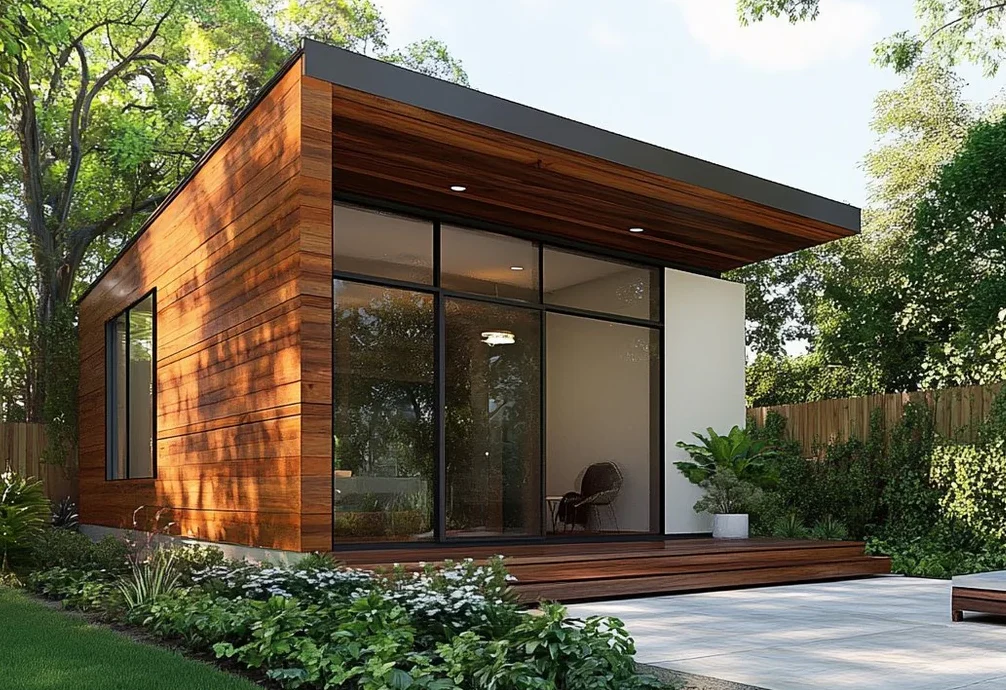
What Exactly Is an Accessory Dwelling Unit (ADU)?
An Accessory Dwelling Unit is a secondary, self-contained housing unit built on the same lot as a primary, single-family residence. These are not just extra rooms; they are complete homes on a smaller scale, with their own kitchen, bathroom, and sleeping areas.
There are three main types of ADUs:
- Detached ADU (DADU): A standalone structure, often built in the backyard. Modern prefab and container homes from Svoltex are a perfect fit for this type, offering a fast and cost-effective building solution.
- Attached ADU: A new addition that is built onto the main home, sharing one or more walls.
- Interior Conversion ADU: Created within the existing footprint of the primary home, such as converting a garage, basement, or attic into a legal apartment.
Building an ADU is one of the smartest investments a homeowner can make in today’s market because they:
- Dramatically Increase Property Value: Adding a legal, rentable unit to your property can provide a significant boost to its overall market value.
- Provide Significant Rental Income: In high-demand areas, the monthly income from an ADU can often cover the property’s entire mortgage payment.
- Offer Flexible, Multi-Generational Living Solutions: ADUs allow families to keep loved ones close while still providing them with privacy and independence.
- Help Address the Affordable Housing Crisis: By adding density to existing residential neighborhoods without needing new land, ADUs are a key strategy in creating more housing options.
The State-by-State Breakdown: Where Are ADUs Legal?
While local regulations are always the final word, many states have passed progressive, statewide legislation to encourage ADU development as a solution to housing shortages and urban density. Here’s a detailed look at the top states where ADUs are not just allowed but actively promoted.
1. California: The Undisputed Leader in ADU Construction
California has, by far, the most ADU-friendly regulations in the nation. Facing a severe housing crisis and some of the highest property values in the world, the state has passed a series of aggressive laws to remove barriers to ADU construction. Since 2020, landmark bills have effectively forced municipalities to streamline their approval processes and relax restrictive zoning codes.
This has led to an explosion in ADU development across major cities like Los Angeles, San Francisco, San Diego, and San Jose, making California a prime state for investors looking to generate substantial rental income.
Key Benefits in California:
- Relaxed Zoning Laws: Statewide laws have largely eliminated minimum lot size requirements, reduced setback requirements, and eased or eliminated parking requirements for ADUs located near public transit.
- Streamlined Permitting: Municipalities are now required to approve or deny ADU permit applications within 60 days, dramatically reducing the complexity and timeline of the approval process.
- Multiple ADUs Allowed: In many cases, property owners can now build both a standard ADU and a smaller “Junior ADU” (JADU) on the same lot.
- Official Resource: The California Department of Housing and Community Development provides an excellent and comprehensive handbook on state ADU laws.
2. Oregon: Progressive Policies for Sustainable, Urban Living
Oregon has long been a leader in sustainable housing and smart urban planning, and its ADU policies are a reflection of this commitment. The state encourages eco-friendly construction and urban infill development as a way to combat urban sprawl. Cities like Portland have been at the forefront of the ADU movement for over a decade.
In 2021, the state passed Senate Bill 458, which took ADU opportunities to a new level by allowing homeowners in many cities to divide their lots and create separate ADU properties that can be sold independently, much like a condo.
Key Benefits in Oregon:
- No Owner-Occupancy Requirement: In many Oregon cities, including Portland, you are not required to live in either the primary residence or the ADU, making it an incredibly flexible option for investors.
- Financial Incentives: Oregon has offered various financial incentives and grants to promote ADU construction, particularly for affordable housing projects.
- Lot Splitting Potential: The ability to sell an ADU separately from the main house offers a unique and powerful way to build equity and profit from your property.
3. Washington: A Key Solution for Housing in High-Demand Areas
Washington State is another strong supporter of ADU development, particularly in the high-demand, high-cost urban areas of the Puget Sound region, like Seattle and Bellevue. The state is facing a significant housing shortage, and ADUs have been officially identified as a critical tool for creating affordable rentals and increasing housing diversity.
The City of Seattle, for example, has removed many of the most significant barriers to ADU construction, including owner-occupancy rules and off-street parking requirements.
Key Benefits in Washington:
- Flexible Rental Options: ADUs can be used for both long-term rentals and short-term vacation rentals (like Airbnb), though local regulations for short-term rentals can vary.
- No Parking Requirement: Many areas, including Seattle, have completely removed parking requirements for new ADUs, which is a huge benefit on smaller urban lots.
- Increased Density Allowance: Recent legislation allows for up to two ADUs on a single residential lot in many cities, further increasing the potential for rental income.
- Official Resource: The Municipal Research and Services Center (MRSC) offers detailed guidance on ADU regulations across Washington.
4. Texas: Growing Opportunities in Major Metro Areas
While Texas does not have the same sweeping, statewide ADU mandates as the West Coast states, a growing number of its major cities are independently embracing ADUs as a housing solution. Faced with explosive population growth, major metro areas like Austin, Dallas, and Houston have implemented zoning changes to allow and encourage homeowners to build ADUs.
Austin, in particular, has been a leader in this movement, using ADUs as a tool to address urban density and rising housing costs. For investors and homeowners, the state’s low property taxes and fast-growing real estate market make building an ADU an attractive proposition.
Key Benefits in Texas:
- Increasing Local Support: Cities like Austin and Dallas are actively making it easier to get permits and build ADUs.
- High Demand for Rentals: The continuous population boom across Texas ensures a strong and steady demand for additional housing units.
- Favorable Investment Climate: The combination of a strong economy and landlord-friendly policies makes Texas a great place to own rental property.
5. Colorado: ADUs in Thriving Cities and Popular Mountain Towns
With its stunning landscapes, outdoor recreation, and thriving economy, Colorado is a highly desirable state for both permanent residents and vacationers. This popularity has driven up property prices, making affordable housing scarce in cities like Denver and Boulder, as well as in world-famous mountain towns like Aspen and Vail.
Denver has progressively relaxed its zoning codes to allow ADUs in most residential areas, specifically to address affordable housing concerns. For investors, the high demand for rental units—both long-term and short-term—makes ADUs a smart move, especially in tourist-heavy locations.
Key Benefits in Colorado:
- Ideal for Short-Term Rentals: Colorado’s ADUs are perfectly suited for vacation rentals and Airbnb opportunities, which can be highly lucrative in tourist hotspots.
- Wide Geographic Range: ADUs are being permitted in dense urban neighborhoods, suburban communities, and even rural and mountain areas.
- Addressing Local Needs: ADUs are seen as a way to provide more housing options for the local workforce in expensive resort towns.
6. Florida: A Hot Market with Growing Demand for ADUs
Florida is experiencing a surge of interest in ADUs, particularly in booming cities like Miami, Orlando, Tampa, and St. Petersburg. The state’s high cost of living, combined with its popularity as a retirement and relocation destination, has fueled a massive demand for smaller, more affordable housing options. ADUs provide a perfect solution for homeowners looking to generate passive income or house visiting family members.
While ADU regulations are still determined at the city and county level, Florida’s overall investment climate is highly favorable, with no state income tax and a robust, growing rental market.
Key Benefits in Florida:
- Huge Passive Income Potential: Florida’s ADU-friendly cities are prime locations for generating significant rental income from both long-term tenants and tourists.
- No State Income Tax: This is a major advantage for investors, as it allows them to keep more of their rental income and maximize their return on investment.
- Multi-Generational Living: The “in-law suite” concept is incredibly popular in Florida, and ADUs provide the perfect modern solution.
Other States Embracing the ADU Movement
The ADU trend is spreading rapidly. Other states and cities making positive moves include:
- Arizona: Cities like Phoenix and Tucson have recently relaxed zoning laws to allow more ADUs to help address their affordable housing crises.
- Illinois: Chicago has implemented a pilot program to allow ADUs in certain zones to increase housing options.
- Massachusetts: Facing some of the highest housing costs in the country, cities like Boston and Cambridge are increasingly viewing ADUs as a solution for affordable living.
- New York: While still complex, cities like New York City and Buffalo are exploring and opening up to ADUs as a way to combat severe housing shortages.
Why an ADU is One of the Smartest Investments You Can Make
The benefits of building an ADU are clear, powerful, and long-lasting.
- Massive Increase in Property Value: A study by the National Association of REALTORS® found that properties with an ADU can see a significant increase in their overall value.
- Powerful Rental Income: ADUs offer incredible opportunities for both long-term rentals to tenants and short-term vacation rentals on platforms like Airbnb and VRBO.
- Solving the Affordable Housing Crisis: ADUs help address the housing crisis at a grassroots level by creating more living spaces without requiring new land development.
- Ultimate Flexibility: ADUs provide flexible multi-generational living options, making them perfect for aging parents, adult children saving for their own home, or as deluxe guest accommodations.
Conclusion: ADUs Are the Future of Residential Housing
With more states and cities embracing Accessory Dwelling Units as a key solution to housing shortages, high property costs, and the need for sustainable development, now is the perfect time to explore the potential of building an ADU. Whether you’re a homeowner looking to add value and income to your property or an investor seeking new and powerful opportunities, ADUs are a flexible, affordable, and intelligent option that can provide substantial long-term benefits.
If you’re ready to learn more about how to incorporate an ADU into your real estate plans, visit Svoltex to explore our wide range of prefab and expandable container homes that are perfectly designed for fast, efficient, and beautiful ADU conversions.
Frequently Asked Questions (FAQs)
1. Which states are the most friendly for building ADUs? California, Oregon, and Washington are currently the most ADU-friendly states due to progressive statewide legislation that simplifies the process. However, many other states have major cities with excellent ADU programs.
2. Are ADUs a good financial investment? Yes, they are generally considered one of the best investments a homeowner can make. They can generate significant monthly rental income and substantially increase the property’s overall resale value.
3. Can I build an ADU in my backyard? In most states that allow them, yes. Detached ADUs in the backyard are the most common type. However, you must check your local zoning laws to confirm that your lot size and other requirements are met.
4. How much does it cost to build an ADU? The cost varies widely based on location, size, and level of finish. However, using a prefab or container home solution from Svoltex can be significantly more affordable than a traditional, custom-built ADU.
5. Can I rent out my ADU? Absolutely. Renting out an ADU is one of the primary reasons people build them. You can use it for long-term tenants or as a short-term vacation rental, depending on local regulations.