If you had the opportunity to strengthen your relationships, embrace simplicity, reduce your daily stress, and find true financial stability all at once – would you take it? For a growing number of people, the answer is a powerful and resounding “yes,” and the path they’re taking is surprisingly small. The tiny home living movement has evolved far beyond an architectural trend; it has become a profound lifestyle choice, and studies are beginning to confirm what its adherents have known for years: going tiny can make you happier.
The desire for simplicity, minimalism, financial freedom, and a stronger connection to what truly matters is fueling this shift. By examining the psychology behind tiny house living, we can uncover a fascinating blueprint for well-being. This isn’t just about having a smaller house; it’s about making more room in your life for peace, intention, and joy.
Let’s take a deep dive into the psychology and the proven mental health benefits of tiny home living.
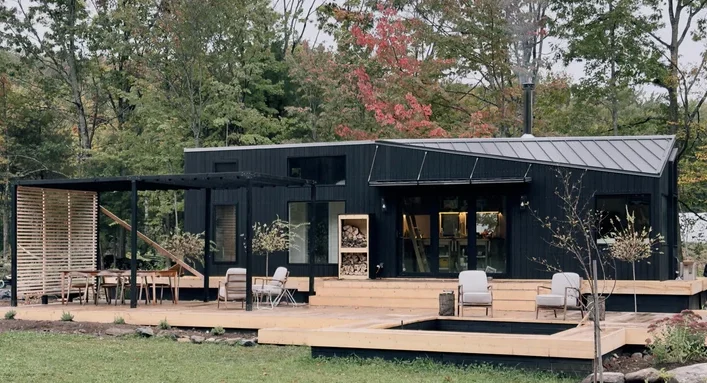
1. Drastically Reduced Stress and Anxiety
One of the most immediate and impactful benefits of downsizing is a significant reduction in chronic stress and anxiety. A larger home often comes with a larger burden—more maintenance, more to clean, more to organize, and, most importantly, higher bills.
The Tyranny of Clutter and Maintenance
One of the major sources of daily stress in traditional homes is clutter. A study from Princeton University Neuroscience Institute found that physical clutter in your environment competes for your attention, resulting in decreased performance and increased stress. The limited space in a tiny home naturally enforces minimalism, leading to a cleaner, more organized environment that fosters profound mental clarity. A tidy, decluttered space contributes to a clearer mind, better sleep, and improved focus.
Financial Peace of Mind
The cost of purchasing and maintaining a tiny home is significantly lower than a traditional house. This isn’t just about saving money; it’s about removing one of the biggest sources of anxiety in modern life: financial pressure. With a smaller (or nonexistent) mortgage, lower property taxes, and reduced utility bills, owners experience a powerful sense of financial stability and peace of mind. This financial security is a cornerstone of the downsizing psychology—it liberates you from the “work-to-spend” cycle and creates a buffer against life’s uncertainties.
2. Enhanced Mindfulness and Intentionality
Tiny home living encourages a state of mindfulness by compelling you to be incredibly intentional about every aspect of your life, starting with your possessions. With limited space, every item must either serve a clear purpose or bring you genuine joy. This curation process, inspired by principles like those of Marie Kondo, fosters a mindset of gratitude and simplicity.
This intentionality extends beyond physical objects. It promotes a minimalist lifestyle that helps reduce decision fatigue—the mental exhaustion from making too many trivial choices. When your life is simplified, you have more mental energy to focus on meaningful experiences rather than a constant stream of material acquisitions.
3. A Deeper Connection to Nature
Living in a tiny home often means embracing the outdoors as an extension of your living space. Many tiny home dwellers choose scenic, rural, or semi-rural locations that allow them to immerse themselves in nature. The psychological benefits of this are well-documented.
Research consistently shows that spending time in nature can reduce stress, improve mood, and enhance overall well-being. A report from the mental health charity Mind found that 95% of those interviewed said their mood improved after spending time outside, changing from depressed and stressed to more calm and balanced. Whether it’s having your morning coffee on a small deck overlooking a forest or taking a daily walk by a stream, tiny living facilitates a powerful, healing connection to the natural world.
4. Strengthened and Deeper Relationships
With less physical space separating occupants, tiny home living naturally fosters closer connections between family members and partners. While this can be a challenge, for most it becomes a profound benefit.
The proximity encourages better and more frequent communication, collaborative problem-solving, and stronger emotional bonds. With fewer rooms to retreat to and fewer digital distractions, families in tiny homes often report spending more high-quality time together—playing games, reading, and talking.
The Power of Community
Beyond the four walls, tiny home communities offer a unique opportunity to build meaningful connections with like-minded individuals. These planned communities combat the loneliness and isolation that can be common in traditional suburban life, fostering a strong sense of belonging and mutual support.
5. The Freedom of Less: Increased Flexibility and Adventure
One of the most compelling psychological benefits of tiny home living is the profound sense of freedom it provides. This freedom is twofold: financial and physical.
Time and Financial Freedom
As discussed, downsizing allows individuals to work fewer hours, travel more frequently, and dedicate more time to their true passions and hobbies. This newfound time is a form of wealth that directly contributes to happiness and life satisfaction.
The Freedom of Mobility
For those who choose a Tiny Home on Wheels (THOW), the freedom is literal. These homes are mobile, enabling homeowners to relocate easily for a new job, a new relationship, or a new adventure without the stress of selling a house. This ability to explore new places fosters a sense of adventure, independence, and resilience.
6. Minimalism as a Powerful Form of Self-Care
Adopting a minimalist mindset through tiny home living is a potent form of self-care. In a consumer-driven culture that constantly tells us we need “more” to be happy, choosing “less” is a radical act of self-love.
By shedding excess belongings and focusing on what truly matters, individuals experience a marked decrease in the anxiety that comes from comparison and materialism. Tiny house minimalism and mental health are deeply linked; minimalism helps cultivate a mindset of appreciation for what you have, gratitude for simplicity, and mindfulness in your daily actions, all of which are pillars of strong mental well-being.
7. Environmental Alignment and a Clear Conscience
Many tiny homes are designed with sustainability at their core, incorporating features like solar panels, composting toilets, and rainwater collection systems. Living in an eco-friendly manner that aligns with your personal values of environmental consciousness provides a deep sense of fulfillment and peace of mind.
This “eco-psychology” is a powerful, if often overlooked, benefit. Knowing that your lifestyle choices are having a positive impact on the planet fosters a profound sense of responsibility, purpose, and satisfaction. It removes the cognitive dissonance of worrying about climate change while living a high-consumption lifestyle.
8. A Sense of Accomplishment and Empowerment
For many, the journey to tiny living involves designing, building, or heavily customizing their own home. This is a rewarding challenge that can dramatically enhance self-esteem and confidence.
Taking pride in creating a space that perfectly reflects your values, needs, and aesthetic is incredibly empowering. Whether you build it yourself or work with a custom builder like SVOLTEX to bring your unique vision to life, the process fosters personal growth and instills a sense of accomplishment that positively influences mental well-being for years to come.
9. More Time and Energy for Health and Well-being
With less time spent on home maintenance, cleaning, and financial stress, tiny homeowners have more opportunities to focus on their physical and mental health. This lifestyle naturally encourages:
- Regular Exercise: Having the outdoors as your backyard makes activities like hiking, biking, and yoga more accessible.
- Healthier Eating: With smaller refrigerators and pantries, many tiny dwellers shop more frequently for fresh, whole foods.
- More Rest: Reduced financial pressure means less need to work excessive hours, allowing for better sleep and more downtime.
An active, well-rested lifestyle significantly contributes to improved mental health, reducing symptoms of anxiety and depression while enhancing overall happiness.
10. Embracing a Slower, More Intentional Pace of Life
Ultimately, all of these benefits culminate in one overarching theme: tiny home living naturally promotes a more relaxed and intentional way of life. With fewer distractions and responsibilities, individuals can slow down, be present, and focus on what truly matters—relationships, personal growth, and meaningful experiences. This shift toward a slower, more mindful lifestyle is perhaps the greatest gift of going tiny, fostering a deep sense of inner peace and lasting contentment.
Conclusion: A Smaller Home, A Bigger Life
Can going tiny make you happier? The evidence and personal stories strongly suggest that for many, it can. The psychology of tiny home living reveals a powerful truth: by subtracting the unnecessary pressures of modern life—the debt, the clutter, the excess—we add back what is most essential to our well-being.
It’s a lifestyle that offers a practical roadmap to reduced stress, deeper relationships, and a life aligned with your values. It proves that a truly fulfilling life isn’t measured in square feet, but in moments of joy, connection, and peace.