
In a move that has captured national attention, the Marietta City Council has greenlit a compassionate and groundbreaking solution to one of society’s most heartbreaking issues: student homelessness. The approval of a tiny home community specifically designed to house unhoused students is more than just a local news story; it’s a bold declaration that innovative, affordable housing can and should be used to protect our most vulnerable youth.
This forward-thinking initiative in Marietta, Georgia, provides a powerful blueprint for cities across the nation grappling with housing insecurity. It demonstrates how a community can come together to provide not just shelter, but stability, dignity, and a pathway to a brighter future for young people in need.
At Svoltex, we believe this project is a pivotal moment for the affordable housing movement. This comprehensive guide will explore the profound significance of the Marietta initiative, delve into why Tiny Home Community are the perfect solution for this crisis, and show how this model can be replicated to create lasting change elsewhere.
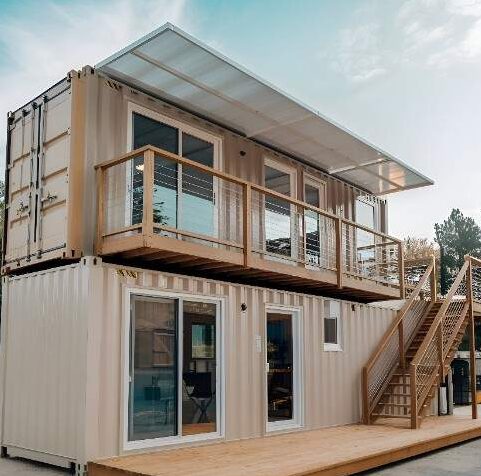
The Hidden Crisis: Understanding Student Homelessness
Before we can appreciate the brilliance of Marietta’s solution, we must first understand the depth of the problem. Student homelessness is a quiet, often invisible crisis that affects every state in the nation. These are not just statistics; they are young people trying to navigate the immense pressures of education while facing the daily trauma of housing instability.
What Does “Unhoused Student” Mean?
The term “homeless” often conjures images of adults sleeping on the streets, but for students, the reality is often different. Under the McKinney-Vento Homeless Assistance Act, which governs how public schools identify and support these students, homelessness includes a wide range of unstable living situations:
- Doubled-Up: Sharing the housing of other persons due to loss of housing, economic hardship, or a similar reason. This is the most common form of student homelessness.
- Living in Motels, Hotels, or Campgrounds: Staying in temporary accommodations because they have nowhere else to go.
- Living in Emergency or Transitional Shelters: Residing in designated shelters for the homeless.
- Unsheltered: Sleeping in cars, parks, public spaces, abandoned buildings, or other places not meant for human habitation.
According to data from the National Center for Homeless Education, public schools reported over 1.2 million homeless students during the 2021-2022 school year. The true number is likely much higher, as many students are afraid to come forward due to stigma or fear.
The Devastating Impact on Education and Well-being
Housing insecurity creates a cascade of devastating consequences for students:
- Chronic Absenteeism: Without a stable place to sleep, students are far more likely to miss school.
- Poor Academic Performance: The constant stress, lack of sleep, and absence of a quiet place to study make it nearly impossible to focus on schoolwork. Unhoused students are far less likely to graduate high school.
- Physical and Mental Health Issues: These students face higher rates of anxiety, depression, and other health problems due to the trauma and instability of their situation.
- Barriers to a Better Future: Without a high school diploma, these young people are at a much higher risk of experiencing long-term poverty and homelessness as adults.
The Marietta City Council recognized that providing housing isn’t just about charity; it’s a strategic investment in the future of their Tiny Home Community.
Why Tiny Homes Are the Perfect Solution for Housing Insecurity
When faced with a crisis of this magnitude, traditional housing solutions often fall short. They are too slow, too expensive, and too inflexible to meet the urgent need. This is where the Marietta tiny home community model shines. Tiny homes have emerged as a powerful tool for several key reasons.
1. Unmatched Affordability and Cost-Effectiveness
The most significant advantage of Tiny Home Community is their cost.
- Lower Construction Costs: A tiny home can be built for a fraction of the cost of a single apartment unit or traditional house. This allows organizations and municipalities to house more people for the same amount of money.
- Reduced Land Requirements: Because of their small footprint, a community of tiny homes can be developed on smaller, often underutilized parcels of land, such as the city-owned property designated for the Marietta project. This drastically reduces land acquisition costs.
- Lower Operational Costs: With energy-efficient designs and smaller spaces to heat and cool, the long-term utility costs for a tiny home community are significantly lower, making the project financially sustainable.
2. Speed of Deployment to Meet Urgent Needs
When a student is without a home, every single day matters.
- Faster Construction Timelines: Prefabricated Tiny Home Community, like the expandable models offered by Svoltex, can be built off-site in a factory setting while the land is being prepared. This concurrent process allows a community to be up and running in a matter of months, not years.
- Streamlined On-Site Setup: Once delivered, these homes can be set up and connected to utilities with remarkable speed, providing immediate shelter to those in need.
3. Providing Dignity, Privacy, and a Sense of Ownership
Unlike traditional shelters, which are often communal and lack privacy, a Tiny Home Community provides something invaluable: a front door to call one’s own.
- A Space of One’s Own: Having a private, lockable space provides a sense of security and autonomy that is crucial for healing from the trauma of homelessness. It’s a quiet place to study, rest, and feel safe.
- Fostering Community: While each home offers privacy, the village-like layout of a tiny home community encourages social interaction and mutual support among residents, creating a neighborhood feel that combats isolation.
4. Sustainability and Eco-Friendly Design
Modern Tiny Home Community are at the forefront of sustainable living.
- Energy Efficiency: Features like high-quality insulation, double-paned windows, and mini-split HVAC systems minimize energy consumption.
- Solar Compatibility: Many tiny homes are designed to be easily equipped with solar panels, allowing them to operate with a near-zero carbon footprint and further reduce utility costs.
- Reduced Waste: The construction process for smaller homes naturally produces less material waste, making it a more environmentally responsible choice.
The Marietta Project: A Closer Look
The Marietta tiny home community for unhoused students is a testament to what can be achieved through collaboration. By leveraging city-owned land and partnering with community advocates, the city is creating a model that is both compassionate and fiscally responsible.
While details are still emerging, the core components of the project reflect best practices in supportive housing:
- Stable, Long-Term Housing: These are not temporary shelters. The homes are designed to provide a stable foundation from which students can complete their education.
- A Supportive Environment: Successful projects of this nature typically integrate on-site support services, such as case management, academic tutoring, and mental health resources, to ensure students have the tools they need to succeed.
- Community Integration: By placing the community within the city, students remain connected to their schools, friends, and other essential resources, avoiding the isolation that can come with being placed in a remote location.
The Bigger Picture: Tiny Homes as a Catalyst for Change
Marietta’s initiative is a powerful case study, but its implications are far broader. It highlights the immense potential of tiny homes to address a wide range of housing challenges.
A Scalable Model for Affordable Housing
- Low-Income Families: Tiny home communities can be developed to provide affordable rental or ownership opportunities for families priced out of the traditional market.
- Veterans and Seniors: This model is being used across the country to provide housing for homeless veterans and seniors on fixed incomes.
- Workforce Housing: In expensive resort towns or urban centers, tiny homes can provide affordable housing for essential workers like teachers, firefighters, and service industry employees.
The Role of Accessory Dwelling Units (ADUs)
The tiny home movement isn’t just about creating new communities; it’s also about gently increasing density in existing neighborhoods. Homeowners can place a tiny home (as an ADU) in their backyard to:
- Generate Rental Income: Renting out an ADU can provide a significant source of passive income, helping homeowners pay their mortgage and build wealth.
- Increase Affordable Housing Stock: Every ADU added to a city’s housing market is a new, affordable rental unit that didn’t require a large-scale development.
- Support Multi-Generational Living: ADUs are a perfect solution for housing aging parents or adult children, keeping families together while maintaining privacy.
How Svoltex Can Power the Next Wave of Change
At Svoltex, we are deeply inspired by the Marietta project and are committed to supporting similar initiatives. Our expandable prefab homes are perfectly suited for projects that require speed, quality, and affordability.
- Designed for Rapid Deployment: Our homes are pre-wired, pre-plumbed, and fully insulated, allowing for plug-and-play convenience that dramatically speeds up project timelines.
- Bulk Purchasing for Communities: We offer special pricing and logistical support for developers, non-profits, and municipalities looking to build tiny home communities.
- Expert Consultation: Our team can work with you to select the right models and layouts to meet the specific needs of your project, whether it’s an ADU for your backyard or a village for a vulnerable population.
The future of affordable housing is here. Marietta has shown us the way. By embracing the innovation of tiny homes, we can build stronger, more equitable communities where everyone has a safe place to call home.
Are you inspired to make a difference? Whether you’re a city planner, a community advocate, an investor, or a homeowner, let’s explore how tiny homes can help you achieve your goals.
Frequently Asked Questions (FAQs)
What is the Marietta Tiny Home Project? It is a city-approved initiative to build a community of tiny homes on city-owned land to provide stable, long-term housing for students experiencing homelessness in the Marietta school system.
Why are tiny homes considered a good solution for homelessness? They are significantly more affordable and faster to build than traditional housing. They also provide residents with a sense of dignity, privacy, and security that is often lacking in communal shelters, which is crucial for recovery and stability.
Can a private citizen or investor develop a tiny home community? Yes. Investors and developers are increasingly creating tiny home communities for various markets, including affordable housing, senior living, and lifestyle-focused rentals. Success depends on navigating local zoning laws and securing appropriate land.
What is an ADU and how does it relate to affordable housing? An ADU (Accessory Dwelling Unit) is a secondary, smaller home on the same lot as a primary residence. They help increase the supply of affordable housing in existing neighborhoods without the need for large, disruptive construction projects.
How can Svoltex help with a community project? We can provide high-quality, affordable prefab homes at a bulk discount, offer expert consultation on layout and design, and assist with the logistics of delivery and setup to ensure your project is completed quickly and efficiently.

