A tiny home has great bones—it’s a canvas of potential, a testament to a life of intention. But that doesn’t mean every decorating choice you make is going to work. The unique challenge and joy of a tiny home lie in its constraints. You can do a lot correctly, and a lot incorrectly, when decorating your tiny home. Fortunately, creating a space that is beautiful, functional, and feels surprisingly spacious is an art that can be mastered.
Malia Schultheis, the powerhouse of decorating at SVOLTEX, has spent years mastering this art. From designing the very structures of our homes to selecting the final piece of décor for staging, she understands how to bring beautiful, high-impact design to small spaces. With these essential dos and don’ts of decorating your tiny home, you can bring your decorating dreams to life without hurting the look, feel, and flow of your sanctuary.
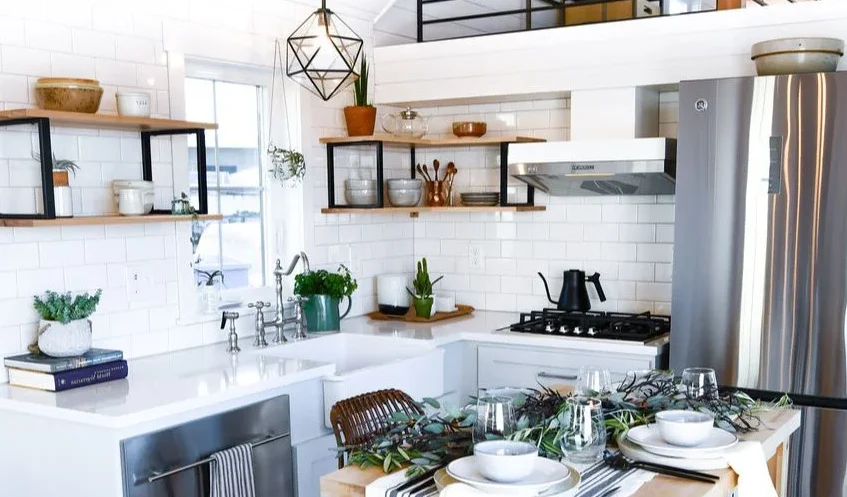
Before You Begin: The Foundational DO – A Ruthless Edit
Before you buy a single pillow or hang a single shelf, the most critical step is to edit your belongings. You cannot organize clutter. The goal is to decorating your life down to the essentials and the items that bring you true joy. A tiny home’s success depends on this initial purge. Go through everything you own and ask: “Is this useful? Is this beautiful? Do I truly need this in my life?” This minimalist mindset is the foundation for every tip that follows.
DO #1: Embrace a Light and Airy Color Palette
One of the most effective and powerful things you can do when decorating your tiny home is to use light colors. This is a classic interior design principle for a reason—it works.
Why it Works: Light and neutral colors—think soft whites, pale grays, gentle beiges, and muted pastels—are fantastic at reflecting light. This simple act of reflection creates an open and airy atmosphere, making your space feel larger, brighter, and full of life. Lighter tones visually recede, giving the illusion of a more spacious environment and contributing to a sense of tranquility and calmness in your home.
How to Do It:
- Walls and Ceiling: Paint your walls and, most importantly, your ceiling in the same light color. This blurs the lines between wall and ceiling, making the room feel taller and more expansive.
- Large Furniture: Choose sofas, large cabinets, and beds in lighter tones. A heavy, dark sofa can visually suck up a huge amount of space, while a light gray or beige one can blend seamlessly into the background.
- Flooring: Lighter wood or laminate flooring can also contribute to this effect.
DON’T #1: Overcrowd Your Space with “Stuff”
If you want to make the most out of your tiny home, the biggest and most common mistake you must avoid is overcrowding your space. There’s not much room to work with, which is why it’s crucial to embrace the concept of “negative space”—the empty areas around and between your furniture and décor. This empty space is just as important as the objects themselves.
Why it Matters: A cluttered space is a visually and mentally chaotic one. It makes a room feel cramped, stressful, and disorganized. When you refrain from over-decorating, you allow your essential, beautiful pieces to take center stage and truly shine. A clutter-free space is not only more visually appealing; it’s a space that feels good to live in.
DO #2: Master the Vertical Realm with Smart Storage
When you’re limited on horizontal square footage, you must turn your attention upward. Capitalizing on your vertical space is non-negotiable in a tiny home.
How to Do It:
- Shelves, Shelves, Shelves: Use floating shelves to display décor, books, or kitchen essentials. Floor-to-ceiling bookshelves or custom built-ins can hold a surprising amount of items without taking up a large footprint.
- Cabinets and Organizers: Tall, slender cabinets can provide a huge amount of storage. Inside closets and pantries, use hanging organizers to maximize every inch.
- Wall-Mounted Everything: Think beyond shelves. Pegboards in the kitchen can hold pots and utensils. A wall-mounted desk can fold away when not in use.
SVOLTEX Design Insight: When we design a custom tiny home, vertical storage is a primary consideration from day one. We often integrate features like Tansu-style storage stairs and floor-to-ceiling cabinetry to ensure that our clients have smart, beautiful storage solutions built right into the architecture of their home.
DON’T #2: Overuse Dark, Heavy Colors
Just as embracing light colors can open up your space, overusing dark colors can have the opposite, suffocating effect. Dark colors absorb light, which can make walls feel like they are closing in on you. In a tiny home where space is at a premium, this can make your home feel enclosed and cramped.
The Smart Compromise: This doesn’t mean you have to live in an all-white box. If you love dark, dramatic colors, use them as an accent. A single feature wall in a deep navy or charcoal gray can add depth and sophistication without overwhelming the space. You can also bring in dark colors through smaller décor items like throw pillows, vases, or picture frames.
DO #3: Use Mirrors to Create the Illusion of Depth
A strategically placed mirror is one of the oldest and most effective tricks in the interior design book. Mirrors can visually double the size of your space.
How to Do It Strategically:
- Opposite a Window: Place a large mirror directly opposite a window. It will reflect the view and, more importantly, the natural light, bouncing it around the room and making the entire space feel brighter and more open.
- Mirrored Furniture: Consider using furniture with mirrored surfaces, like a small side table or a cabinet with mirrored doors. This adds a touch of glamour and helps the piece visually disappear.
- Group Smaller Mirrors: A collection of small, interesting mirrors can act as a piece of wall art that also serves to open up the space.
DON’T #3: Purchase Oversized, Bulky Furniture
This may seem obvious, but it’s a mistake many people make. They try to bring furniture from their old, larger home, and it simply overwhelms the room. Oversized furniture hinders the physical and visual flow of your living area.
What to Look For Instead:
- Apartment-Sized Pieces: Many furniture brands, like West Elm or CB2, have collections specifically designed for smaller apartments. Look for loveseats instead of three-seater sofas.
- Furniture with “Legs”: Choose sofas, chairs, and tables that are raised off the floor on slender legs. Seeing the floor continue underneath the furniture creates an illusion of more space.
- Clear Furniture: Acrylic or “ghost” furniture is a modern solution that takes up zero visual space, making it perfect for coffee tables or small desks.
DO #4: Maximize Natural Light at Every Opportunity
Light colors help your space feel bigger, but nothing works better than abundant natural light. It boosts the ambiance of your tiny home, making it feel more spacious, brighter, and more welcoming.
How to Do It:
- Lightweight Window Coverings: Avoid heavy, dark curtains. Opt for sheer blinds, light-colored linen curtains, or simple roller shades that can let in diffused light while still providing privacy.
- Install a Skylight: If your design allows for it, a skylight can be a transformative addition, flooding your home with natural light from above. This is especially effective in lofts and bathrooms.
DON’T #4: Neglect Your Storage Solutions
Storage solutions are a necessity, not a luxury, in any tiny home. If you want to ensure your home stays clutter-free and serene, you must invest in and utilize efficient storage. Neglecting this will result in a chaotic and disorganized living space.
Think Built-In and Multi-Purpose:
- Multi-purpose furniture: A sofa with hidden storage, a bed with drawers underneath.
- Tansu stairs: A staircase where every step is a drawer.
- Lift beds: A bed on a hydraulic lift that raises to the ceiling to reveal a living area or desk underneath. A high-tech solution we love to incorporate in our SVOLTEX builds.
DO #5: Embrace Foldable and Collapsible Furniture
Similar to multi-purpose furniture, foldable pieces offer incredible flexibility. The ability to tuck away a dining table, chairs, or a desk when they’re not in use is essential for maintaining a versatile layout. This allows a single space to serve as a dining room, an office, and a living room throughout the day.
DON’T #5: Block the Flow
Another crucial mistake you must avoid is blocking the natural traffic flow of your home. You only have so much space to work with, so you need to be sure you’re placing furniture where it won’t get in your way.
How to Test Your Flow:
- Before you commit to a layout, walk through the main pathways of your home. Can you easily get from the kitchen to the living area to the bathroom without squeezing past a piece of furniture?
- Be mindful of “visual flow” as well. A large piece of workout equipment or a bulky ottoman in the middle of the room can act as a visual obstruction, making the space feel choppy and small.
DO #6: Infuse Meaningful Personal Touches
Your tiny home should be a reflection of your unique style and life story. Meaningful trinkets and personal décor are what turn a house into a home.
How to Do It Without Creating Clutter:
- Curate, Don’t Collect: Instead of displaying everything, choose a few special items. Rotate them seasonally to keep things fresh.
- Functional Personalization: Can your personal items also be functional? A beautiful handmade quilt can be your main blanket. A collection of interesting mugs can be your everyday drinkware.
- Think Small: Display photos, homemade art, or memorable knick-knacks on a single floating shelf or a designated small area.
DON’T #6: Forget About Comfort
In the pursuit of saving space, don’t compromise on comfort. Your tiny home is your sanctuary. A stylish but uncomfortable couch is a design failure. Look for furniture that balances aesthetics, functionality, and genuine coziness, ensuring that every square foot of your home is a place you truly love to be.
Conclusion: Big Style in a Small Space
There are a few crucial dos and don’ts you must adhere to when decorating your tiny home so that you can bring out its full potential. Our homes are built to be durable and last through the years. From that strong foundation, the decoration is up to you.
Here at SVOLTEX, we can help you build your own tiny house, and we can guide you when it comes to planning for décor from day one. When you understand the limits and the potential of your tiny home’s features, making it feel big, beautiful, and uniquely you can be an easy and joyful process.