Across the heartland, a quiet revolution is reshaping the American dream of homeownership. Here in Indiana, from the bustling streets of Indianapolis to the serene, rolling hills of Brown County, a unique and powerful trend is taking root. As Hoosiers increasingly search for housing that is not only affordable but also sustainable and stylish, container homes in Indiana have emerged from a niche concept into a mainstream contender.
These are not just steel boxes; they are sophisticated, modern dwellings that offer a compelling blend of industrial-chic design, resource efficiency, and financial accessibility. By transforming the very building blocks of global commerce—the humble shipping container—into beautiful and functional living spaces, a new generation of homeowners and investors is discovering a smarter way to live.
This definitive guide will take you on a deep dive into the world of container homes in Indiana. We’ll explore why this movement is gaining such momentum, break down the costs and construction process, navigate the complexities of local zoning laws, and showcase real-world success stories from across the state. Whether you’re a first-time homebuyer, a savvy real estate investor, or simply curious about the future of housing, this is your starting point for understanding the container home phenomenon.
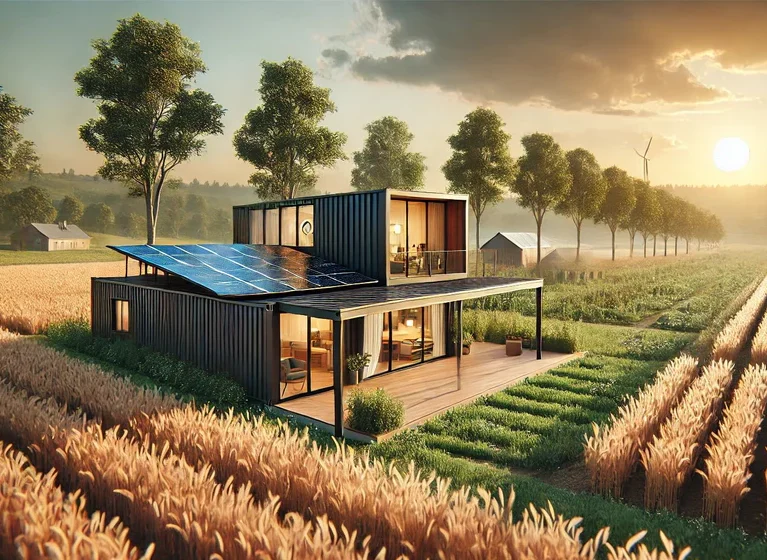
What Exactly is a Container Home? From Cargo to Comfort
Before we explore their rise in Indiana, it’s essential to understand what container homes are. At their foundation, these homes use one or more steel intermodal containers (shipping containers) as their primary structural element. These containers are built from Corten steel, a material designed to withstand the immense stress of international shipping—including heavy stacking, constant movement, and extreme weather on the high seas. This inherent durability makes them an exceptionally strong and secure foundation for a home.
The journey from a retired shipping container to a finished home is a testament to modern design and construction ingenuity. The process generally includes:
- Sourcing the Container: Builders select high-quality used (“one-trip”) or new containers. Standard sizes are typically 20 or 40 feet long and 8 feet wide, with “high-cube” versions offering an extra foot of ceiling height.
- Structural Modifications: The steel shell is precisely cut to create openings for windows, doors, and connecting multiple containers to form larger living spaces. Any necessary structural reinforcements are added at this stage.
- Insulation and Utilities: This is a critical step. High-performance insulation, often closed-cell spray foam, is applied to the interior walls to create a highly efficient thermal envelope. This ensures the home stays warm in the winter and cool in the summer. Plumbing, electrical wiring, and HVAC systems are then professionally installed.
- Interior and Exterior Finishing: The interior is framed and finished with drywall, flooring, and paint, just like a traditional home. Externally, the container can be clad in wood, siding, or stucco to match any aesthetic, or the industrial steel can be painted and left exposed for a modern look.
- Setting and Foundation: The completed module is transported to the site and lifted by a crane onto a permanent foundation, such as a concrete slab or pier system.
The final product is a durable, permanent, and fully code-compliant home that offers a unique living experience.
Why are Container Homes Taking Off in Indiana? The 5 Core Advantages
The growing appeal of container homes is not accidental. It’s a direct response to some of the most pressing challenges and desires in today’s housing market. For Hoosiers, the benefits are particularly compelling.
1. Unlocking Affordability in a Challenging Market
The most significant driver behind the container home trend is affordability. Constructing a home with shipping containers can be substantially cheaper than a traditional stick-built house. National averages show potential savings of 15% to 40%.
In Indiana, where the median home price continues to climb, this affordability is a game-changer. Here’s a cost breakdown:
- The Container Itself: A used 40-foot container can cost between $3,000 and $6,000.
- Finished Homes: A simple, one-container tiny home might start around $25,000, while multi-container family homes can range from $80,000 to $200,000+, depending on size and finishes. This is often significantly less than the cost per square foot of new traditional construction.
These savings make homeownership achievable for first-time buyers, allow families to build with less debt, and provide an attractive financial model for investors.
2. Championing True Sustainability and Eco-Friendly Living
Sustainability is no longer a buzzword; it’s a conscious choice. Container homes are an inherently green building practice.
- Upcycling: Every container home repurposes several tons of steel, preventing the enormous energy expenditure required to melt it down for recycling.
- Reduced Waste: The majority of construction occurs in a controlled factory setting, which dramatically reduces the material waste common on traditional building sites.
- Energy Efficiency: Their compact design and the ability to create a super-insulated, airtight shell mean container homes require less energy for heating and cooling. This leads to lower utility bills and a smaller carbon footprint.
- Renewable Energy Integration: The flat, strong roofs are perfect for installing solar panels, making it easier to achieve a net-zero energy home.
By choosing a container home, residents make a tangible contribution to environmental preservation—a value that resonates deeply in a state known for its natural beauty.
3. The Efficiency of Smart Design and Minimalist Living
Container homes are highly efficient by nature. Their smaller footprint encourages a more minimalist lifestyle, focusing on quality over quantity. This efficiency extends to energy use, reducing monthly expenses and promoting a more sustainable way of life. For many, moving into a container home is an opportunity to declutter their lives, reduce their environmental impact, and focus on experiences rather than possessions.
4. Expressing Individuality Through Unique Modern Design
In a landscape of cookie-cutter subdivisions, container homes offer a bold architectural statement. Their modular nature allows for incredible design flexibility. Containers can be stacked, cantilevered, and arranged in countless configurations to create stunning, one-of-a-kind homes. From rustic cabins clad in reclaimed wood to sleek, minimalist structures with vast glass walls, the design possibilities are limited only by imagination. This allows homeowners to create a space that truly reflects their personal style.
5. The Need for Speed: Drastically Shorter Construction Times
Building a traditional home can be a long, drawn-out process, often taking a year or more. Container homes can be built in a fraction of the time. Because the modules are constructed off-site in a factory while the foundation and site work are being prepared simultaneously, the total project timeline can be reduced to just 3 to 6 months. This accelerated schedule means homeowners can move in faster, and investors can begin generating rental income much sooner.
Navigating the Landscape: Building Container Homes in Indiana
While the benefits are clear, building a container home in Indiana requires careful planning, especially regarding local regulations.
Understanding Indiana’s Zoning and Building Codes
This is the most critical hurdle for any prospective container homeowner. While Indiana state law is generally permissive of alternative housing, zoning and building codes are determined at the local county or city level. What is allowed in Indianapolis may be different from the rules in a rural county.
Key considerations include:
- Building Permits: You will absolutely need a building permit. Your plans will need to be approved by a licensed architect or engineer to ensure they meet the International Residential Code (IRC) standards for safety, structural integrity, and energy efficiency.
- Zoning Restrictions: Some residential zones may have specific aesthetic covenants or minimum square footage requirements that could be a challenge. It’s crucial to contact your local planning and zoning department before you buy land or a container.
- Permanent Foundation: In almost all cases, a container home must be placed on a permanent foundation to be considered a legal dwelling.
Working with experienced local builders who understand the nuances of Indiana’s regulations can save you immense time and frustration.
Urban vs. Rural Appeal: A Home for Every Hoosier Landscape
One of the remarkable aspects of container homes is their versatility across different environments.
- In Urban Centers (Indianapolis, Fort Wayne): On tight infill lots where space is at a premium, container homes offer a smart solution for creating dense, stylish, and affordable housing. They are becoming a popular choice for building modern accessory dwelling units (ADUs) or “granny flats.”
- In Rural Settings (Brown County, Parke County): For those looking to escape to the country, container homes offer a way to build a retreat or primary residence with minimal disruption to the natural landscape. Their durability and low maintenance are also ideal for a rural setting.
Growing Community Acceptance
As more well-designed, high-quality container homes are built across Indiana, public perception is shifting rapidly. They are no longer seen as just a quirky alternative but as a legitimate, valuable, and attractive housing solution. This growing acceptance makes it easier to work with local officials and can positively impact resale value.
Case Studies: Container Home Success Stories Across Indiana
The proof of concept is evident in successful projects throughout the state.
Urban Innovation in Indianapolis
Indianapolis has become a hotbed for container home development. In neighborhoods like Cottage Home, builders have created entire projects using shipping containers, attracting residents with their modern design, energy efficiency, and proximity to downtown. These homes have been featured in local media and have proven that container living can be both luxurious and practical, setting a new standard for urban infill development.
Sustainable Living in Bloomington
Home to Indiana University, Bloomington has a large population of students, faculty, and environmentally-conscious residents. Container homes have found a natural fit here, offering affordable, sustainable living options. Small container homes serve as efficient student housing or faculty residences, while larger, custom designs appeal to those seeking a green lifestyle in this progressive community.
Idyllic Rural Retreats in Brown County
Known for its stunning natural beauty and artistic community, Brown County is the perfect backdrop for container homes. Here, they are often used as vacation rentals, artist studios, and secluded primary residences. Owners can install large windows to frame the scenic views, creating a unique connection to the outdoors while maintaining a minimal environmental footprint. The rising median home price in Brown County also makes the affordability of container homes particularly attractive.
An Investor’s Guide to Container Homes in Indiana
For real estate investors, container homes represent a compelling and potentially lucrative opportunity.
High Return on Investment (ROI) Potential
The lower upfront construction cost combined with high rental demand for unique, sustainable properties can lead to an excellent ROI. Whether used for long-term rentals or as short-term vacation stays on platforms like Airbnb, container homes are a hot commodity. Their novelty and modern appeal often allow them to command premium rental rates.
Portfolio Diversification
Adding container homes to a real estate portfolio provides powerful diversification. These properties stand out in a crowded market, giving investors a competitive edge over traditional housing stock. Their unique appeal can attract a different demographic of renters and buyers, reducing overall portfolio risk.
Making a Positive Community and Environmental Impact
Investing in container homes is a form of socially responsible investing. By providing affordable housing options and championing sustainable building practices, investors can generate positive financial returns while also contributing to the well-being of the community and the environment. This can enhance an investor’s reputation and attract tenants and buyers who prioritize these values.
Frequently Asked Questions (FAQ) About Indiana Container Homes
1. Are container homes safe and durable? Yes. They are incredibly safe and durable. Made from Corten steel, they are engineered to be stronger than traditional wood-frame construction and are highly resistant to fire, pests, and extreme weather. When properly built to code, they are among the most resilient homes available.
2. How much does a container home in Indiana actually cost? Costs vary, but a general estimate is $150 to $350 per square foot for a finished home. A basic 320 sq. ft. studio might cost $30,000-$60,000, while a 1,200 sq. ft. three-bedroom family home could range from $150,000 to $250,000. This is often more affordable than new traditional construction in many parts of Indiana.
3. What about insulation and dealing with Indiana’s weather? Proper insulation is non-negotiable. Reputable builders use high-R-value closed-cell spray foam insulation, which creates an airtight and highly efficient thermal barrier. This ensures the home is comfortable during hot Indiana summers and cold, snowy winters, while keeping utility bills low.
4. Can I get a mortgage for a container home? Financing can be a hurdle, but it’s getting easier. Because they are permanent structures on a foundation, they can qualify for traditional mortgages. It helps to work with lenders who have experience with modular or non-traditional construction. Having detailed, engineer-approved plans is essential.
5. Are container homes a good long-term investment? All signs point to yes. As they become more mainstream and prove their durability, their value is expected to appreciate similarly to traditional homes. Their lower initial cost, reduced maintenance, and energy savings make them a financially sound investment over the long term. The Modular Building Institute provides extensive resources on the longevity and value of modular construction.
Conclusion: The Future of Housing is Now in Indiana
Container homes are more than just a passing fad; they are a sophisticated, practical, and inspiring answer to the housing challenges of the 21st century. They represent a fundamental shift towards more affordable, sustainable, and personalized living. For homeowners, they offer a path to ownership without crushing debt. For investors, they provide a profitable and forward-thinking opportunity.
By embracing the ingenuity of container home construction, Hoosiers are building a future where quality housing is attainable, sustainable, and beautifully designed. It’s time to think outside the box—literally—and discover the immense potential that lies within these steel walls.
Transform Your Lifestyle with svoltex
Ready to explore the possibilities of container homes in Indiana for yourself? Visit svoltex to discover our range of stylish, sustainable, and fully customizable container homes. Our team of experts is ready to guide you through every step of the process, from design to delivery, helping you make a smart, profitable, and life-changing investment.