
When people think about tiny homes, their minds often paint a picture of a simple, uncluttered life—a cozy space free from the burden of excess “stuff.” This perception isn’t just a stereotype; it’s the very essence of a powerful partnership. Tiny homes and minimalism go hand in hand, but where does this deep-seated connection come from? It’s a synergy born of necessity, philosophy, and a shared pursuit of a more meaningful existence.
At SVOLTEX, we’ve witnessed this profound relationship between tiny homes and minimalism firsthand over the years. It’s a journey we’ve seen our clients embark on, transforming not just their living spaces, but their entire outlook on life. If you’re curious about how these two concepts complement each other so perfectly, you’re in the right place.
Let’s explore the deep, symbiotic relationship between the tiny living movement and the minimalist lifestyle, and see exactly why tiny homes and minimalism are a perfect match for a happier, healthier, and more intentional life.
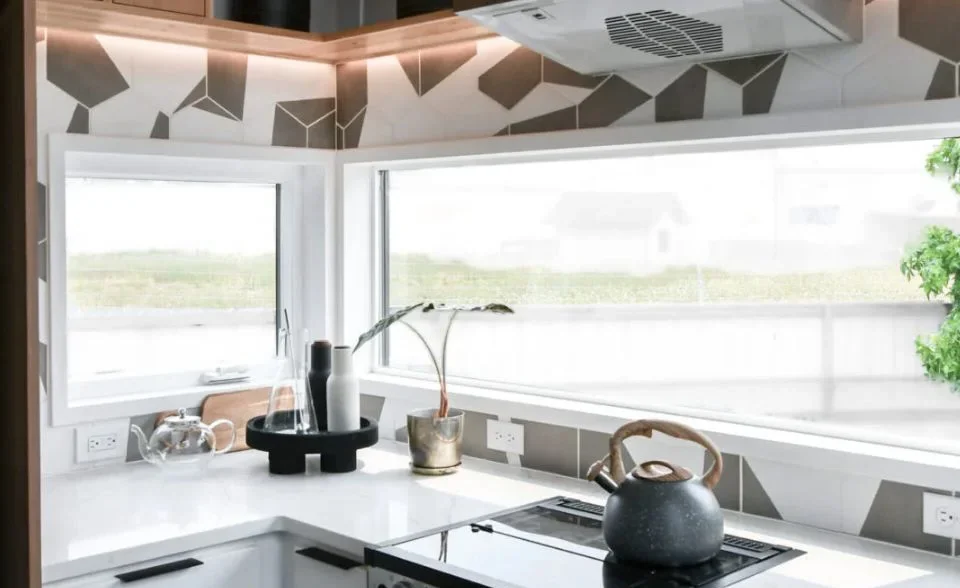
1. Embracing Simplicity: The Foundation of Intentional Living
At its core, the decision to live in a tiny home is a conscious choice to simplify your life. In a world that constantly bombards us with choices, notifications, and pressures, simplicity has become the ultimate luxury. The very architecture of a tiny home becomes a tool for achieving this simplicity.
With limited space, you are compelled to carefully and thoughtfully choose which belongings are truly important and necessary for your daily life. This isn’t a restriction; it’s a liberation. The limited space powerfully encourages intentional living and a fundamental shift in focus away from material accumulation and toward what truly matters: your well-being, your relationships, and your experiences.
The Psychology of Simplicity
This process of being intentional about your choices creates a space where you genuinely appreciate what you have. It drastically reduces the “decision fatigue” that plagues modern life. You’re no longer wasting mental energy managing, cleaning, and organizing a house full of non-essential items. This reduction in physical and mental clutter has a direct and positive impact on your well-being. As research from institutions like Princeton University has shown, a decluttered environment allows for better focus and reduced stress. This deliberate curation is a core tenet of the philosophy where tiny homes and minimalism intersect, providing a practical framework for achieving this serene state of mind.
2. The Art of Letting Go: Reducing Possessions to Gain Freedom
One of the key, tangible principles of minimalism is owning only what you need and developing the skill of letting go of unnecessary items. In a tiny home, this isn’t just a philosophical exercise; it’s a practical necessity. There is simply no room for excess possessions, which naturally nudges you to adopt a more minimalist mindset. For anyone embarking on the journey of tiny homes and minimalism, this decluttering phase is the most challenging and rewarding.
This process of decluttering is one of the most transformative aspects of the journey. It’s about more than just cleaning out your closets; it’s about evaluating your relationship with your belongings.
Curating Your Life
You become the curator of your own life, selecting only the items that are either beautiful, useful, or deeply meaningful. This act of letting go of the rest frees up an incredible amount of physical space, but more importantly, it alleviates a significant mental and emotional burden. It leads to a more peaceful, organized, and calming environment. The deep connection between tiny homes and minimalism is most evident in this powerful act of curation, which allows you to live surrounded only by things that serve you well.
3. The Ultimate Reward: Achieving True Financial Freedom
The cost of living in a traditional home can be overwhelming. For many, it’s a lifelong cycle of high mortgage or rent payments, crippling property taxes, and endless maintenance expenses. This financial pressure is a primary source of stress and anxiety in modern society. This approach to debt-free living is a hallmark of why tiny homes and minimalism appeal to so many.
By downsizing to a tiny home, you can significantly reduce your living expenses, unlocking a level of financial freedom that is simply unattainable for most people in the traditional housing market.
Breaking Down the Savings
- Lower Construction Costs: Building or buying a tiny home costs a fraction of a traditional house. This means a much smaller, shorter-term loan, or even the ability to purchase it outright with savings.
- Minimal Maintenance: Fewer square feet means fewer things to repair and maintain, saving you thousands of dollars and countless weekends over the life of your home.
- Drastically Reduced Utility Bills: A small, well-insulated space is incredibly cheap to heat and cool, leading to massive savings on your monthly energy bills.
This newfound financial freedom is a cornerstone of why tiny homes and minimalism are so intertwined. You can use this extra money to pay off debt, save for retirement, travel the world, or even switch to a less demanding career that you’re truly passionate about. It’s about reallocating your resources from “things” to “life.” This financial liberation is perhaps the most tangible benefit of how tiny homes and minimalism work together.
4. Living Your Values: A Commitment to Eco-Friendly Living
The tiny home movement is deeply rooted in a desire for a more sustainable and environmentally conscious way of life. A smaller home inherently means a smaller environmental footprint. For those prioritizing the planet, tiny homes and minimalism offer a one-two punch against overconsumption and a large carbon footprint.
Tiny home builders typically construct these spaces with sustainable materials and incorporate energy-efficient features, making them a far more environmentally friendly housing option. Living in a smaller space means using fewer resources, both in the construction phase and in the day-to-day living. This is another area where tiny homes and minimalism are in perfect alignment. Minimalism, at its core, is anti-consumerist, which naturally leads to a reduced environmental impact.
The Green Features of Tiny Living
These homes lend themselves perfectly to eco-friendly technology, such as:
- Solar Panels: A small roof is the perfect size for a solar array that can power the entire home, allowing for off-grid living.
- Composting Toilets: This technology eliminates the need for a traditional septic system and saves thousands of gallons of water each year.
- Rainwater Harvesting: Collecting and filtering rainwater for household use reduces the strain on local water sources.
For a growing number of people who want to minimize their environmental impact, the synergy between tiny homes and minimalism is the most direct path to living a life that aligns with their green values. The commitment to sustainability is where tiny homes and minimalism find their most profound alignment.
5. The Shift to Significance: A Focus on Quality Over Quantity
In a traditional home, there is a constant pressure to “fill the space.” This often leads to purchasing cheap, disposable, and unnecessary items just to make a room feel complete. In a tiny home, every square inch counts. This limitation fosters a powerful shift in consumer behavior: you are forced to prioritize owning high-quality items that serve multiple purposes. This shift in consumer behavior is a direct result of the principles of tiny homes and minimalism.
This prioritization translates into a more mindful approach to consumerism. You’ll find yourself investing in durable, multi-functional, and truly beautiful items that enhance your living space and contribute to your overall well-being. This shift from quantity to quality is a vital tenet of the minimalist lifestyle. This focus on lasting value is a shared principle that makes tiny homes and minimalism such a sustainable long-term lifestyle.
The SVOLTEX Philosophy
At SVOLTEX, this principle is at the heart of our design process. We believe that a small space should be filled with high-quality, beautiful materials. We work with our clients to design custom, multi-functional cabinetry and select durable, timeless finishes. We understand that in a tiny home, every single element is seen and used every day, so it must be of the highest quality. This focus on craftsmanship is essential to making the tiny home feel like a sanctuary, not a sacrifice. At SVOLTEX, we don’t just build small houses; we build platforms for a better life, because we understand that tiny homes and minimalism are about thoughtful design.
The Perfect Partnership: Why Tiny Homes and Minimalism are a Natural Fit
The relationship is symbiotic: the tiny home provides the physical container for a minimalist life, while minimalism provides the philosophical framework that makes tiny living a joy rather than a challenge. A common myth is that tiny homes and minimalism are about deprivation, but proponents argue it’s about optimization.
A Psychological Reframing
Living in a smaller space forces you to engage more with the world outside your four walls—your community, local parks, and nature become extensions of your living room. This mental reframing is a key psychological benefit of how tiny homes and minimalism reshape your perspective. The journey is as much internal as it is external; tiny homes and minimalism require you to confront your habits and values head-on.
Practical Steps to Embrace the Lifestyle
A successful transition into this lifestyle requires a practical approach to tiny homes and minimalism.
- Start Now: Begin decluttering your current life long before you plan to move. Use a system like the one from The Minimalists to get started.
- Plan for Multi-Functionality: When designing your tiny home, think about how each space can serve multiple purposes. A dining table can be a desk; an ottoman can be storage and seating. Planning your space with multi-functionality in mind is key to making tiny homes and minimalism work for you.
- Test the Waters: Stay in a tiny home Airbnb for a weekend to see how the space feels. This real-world experience is invaluable.
Conclusion: A Smaller Space for a Bigger Life
The powerful partnership between tiny homes and minimalism offers a clear path to a more fulfilling life. The physical structure of the home and the intentional philosophy support and enhance one another, creating a holistic lifestyle that promotes well-being on every level.
Ultimately, the reason tiny homes and minimalism go hand in hand is that they both ask the same question: What is truly essential for a happy life? The answer, for a growing number of people, is not more stuff, but more freedom, more experiences, and more peace.

