
The tiny home movement represents a powerful shift towards a life of freedom, simplicity, and financial independence. But while tiny homes are significantly more affordable than their traditional counterparts, that doesn’t mean everyone can dole out the cash for one upfront. This is where the crucial, and often confusing, topic of tiny home financing comes into play.
Navigating the nuances of securing a loan for a tiny home can feel like venturing into uncharted territory. Traditional mortgages don’t always apply, and the rules can seem murky. At SVOLTEX, we have extensive experience assisting clients through this exact process. We know that understanding your Tiny Home Financing options is the critical first step in making the leap from dreaming about tiny living to actually doing it.
This guide is designed to be your comprehensive roadmap. We’ll explore the different types of loans available, walk you through preparing a bulletproof loan application, and explain why your choice of builder is one of the most important factors for lenders.
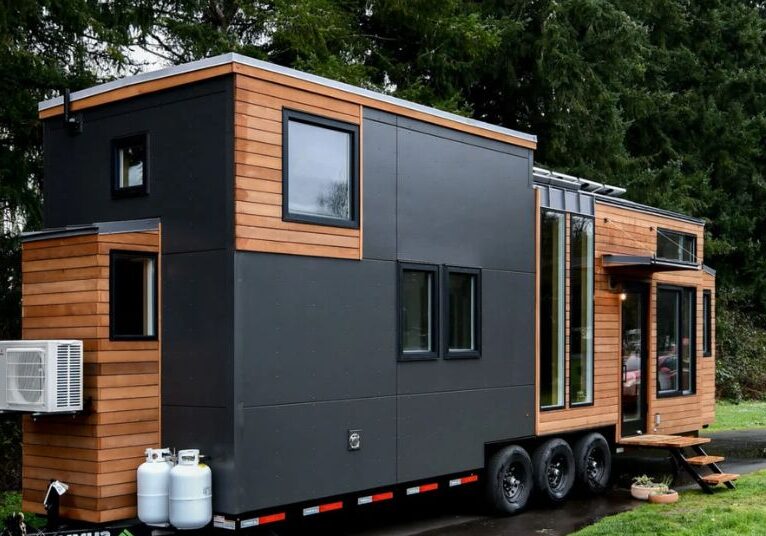
Why is Tiny Home Financing So Different?
The first hurdle in tiny home financing is understanding why it doesn’t fit neatly into the traditional mortgage system. Lenders in the traditional housing market rely on a few key principles that don’t always apply to tiny homes:
- Real Property vs. Chattel: A traditional home built on a permanent foundation is considered “real property”—it’s tied to the land. A Tiny Home on Wheels (THOW), however, is considered “chattel” or personal property, much like a car, boat, or RV. This fundamental legal distinction changes the type of loan you can get.
- Lack of Comparables (“Comps”): Mortgage lenders determine a home’s value by looking at recent sales of similar homes in the area. The custom, unique nature of tiny homes makes finding direct comps nearly impossible, which makes lenders nervous.
- Perceived Risk: Because the market is still relatively new, some traditional banks view tiny homes as a higher-risk investment without a long history of resale value.
Because of these factors, you won’t be walking into your local bank and applying for a standard 30-year mortgage. But don’t worry—a robust and growing ecosystem of Tiny Home Financing options is available.
The 5 Main Types of Tiny Home Financing
We know that a tiny home is a pathway to a life with more financial independence. That’s why it’s so important to understand the different routes you can take to finance one.
1. RV Loans (For Certified THOWs)
This is one of the most common and established ways to Tiny Home Financing on Wheels. If your THOW is certified by the Recreational Vehicle Industry Association (RVIA), it is legally considered an RV, which opens the door to a mature lending market.
- How it Works: Lenders treat the purchase just like buying a high-end recreational vehicle. The loan is secured by the tiny home itself.
- Pros:
- Established Process: Lenders like credit unions and some national banks have a clear, streamlined process for RV loans.
- Longer Terms: Repayment terms are often longer than personal loans, typically ranging from 10 to 15 years, resulting in lower monthly payments.
- Lower Interest Rates than unsecured personal loans.
- Cons:
- RVIA Certification is Mandatory: This is a non-negotiable requirement. The builder must be certified and provide an RVIA seal on the home.
- Restrictions on Use: Some lenders may have clauses that restrict the use of the RV as a full-time, permanent residence.
- Best For: Buyers who are purchasing a new, certified tiny house RV from a reputable builder and plan to place it in a location where RVs are permitted, like a tiny home community or RV park.
2. Personal Loans (Unsecured Loans)
A personal loan is an unsecured loan, meaning it’s based on your creditworthiness and income, not on the asset you’re buying. The bank gives you a lump sum of cash that you can use for anything you want.
- How it Works: You apply based on your credit score and debt-to-income ratio. Once approved, the funds are deposited into your account, and you can use them to pay your builder, buy land, or cover other setup costs.
- Pros:
- Ultimate Flexibility: The money can be used for DIY builds, non-certified homes, container homes, or even to purchase land.
- Fast Funding: The application and approval process is often very quick, sometimes within a few days.
- Cons:
- Higher Interest Rates: Because the loan is not secured by an asset, the interest rates are typically higher than for RV or home equity loans.
- Shorter Repayment Terms: Terms are usually much shorter, often between 2 and 7 years, which means higher monthly payments.
- Loan Amount Limits: Lenders may cap personal loans at a certain amount (e.g., $50,000 or $100,000), which may not cover the full cost of a high-end custom build.
- Best For: Buyers with excellent credit who are undertaking a DIY project, buying a non-certified home, or need funds quickly.
3. Tiny Home-Specific Loans (Chattel Mortgages)
As the market has grown, a new class of lenders has emerged that specializes in tiny home financing. These companies understand the asset and offer products specifically designed for it. These are often structured as chattel mortgages.
- How it Works: This is a secured loan where the movable tiny home (the chattel) is the collateral, similar to an RV loan. Lenders like LightStream have become very popular in this space.
- Pros:
- Designed for Tiny Homes: The lenders and their terms are specifically geared toward the tiny home market.
- Longer Terms than Personal Loans: Repayment terms often fall between a personal loan and an RV loan, typically in the 7 to 12-year range.
- Cons:
- Interest Rates Vary: Rates are usually competitive but can sometimes be higher than a traditional RV loan from a credit union.
- Builder Approval Often Required: These lenders will want to see that you are working with a reputable, established builder.
- Best For: Buyers purchasing a professionally built home (certified or not) who want a loan product specifically designed for their unique asset.
4. Home Equity Loans or HELOCs
If you already own a traditional home with significant equity, you can borrow against that value to Tiny Home Financing.
- How it Works: You take out a Home Equity Loan (a lump sum payment) or a Home Equity Line of Credit (a revolving line of credit) using your primary residence as collateral. You can then use these funds to pay for your tiny home in cash.
- Pros:
- Lower Interest Rates: These loans typically have much lower interest rates because they are secured by a traditional house.
- Cash Buyer Status: You become a cash buyer, which can give you more negotiating power with your builder.
- Cons:
- Puts Your Primary Home at Risk: This is the biggest drawback. If you default on the loan, the lender can foreclose on your main house.
- Only for Existing Homeowners: This option is only available to those who have already built up equity in a traditional property.
- Best For: Existing homeowners who are building a tiny home as a secondary residence, an ADU, or a retirement home and are comfortable with the associated risks.
5. Peer-to-Peer Lending
This is a newer form of financing where you borrow money from a group of individual investors through an online platform like LendingClub or Prosper, rather than from a bank. It functions very similarly to an unsecured personal loan.
Preparing for Your Loan Application: A Bulletproof Checklist
Securing tiny home financing is all about preparation. Before you even talk to a lender, you need to get your financial house in order.
1. Know Your Budget (The Real Number)
You need to figure out the total cost of your project, not just the price of the home itself. Your budget must include:
- The cost of the tiny home build.
- Sales tax.
- Delivery and setup fees.
- Cost of land (if purchasing) or first/last month’s rent (if leasing).
- Site preparation (grading, foundation, etc.).
- Utility hookups (water, septic/sewer, electricity).
- A 10-15% contingency fund for unexpected expenses.
2. Know and Boost Your Credit Score
Your credit score is the single most important factor for almost any Tiny Home Financing loan.
- Check Your Score: Get a free copy of your credit report from all three bureaus via the official government-mandated site, AnnualCreditReport.com.
- Improve Your Score: Pay every single bill on time, pay down your credit card balances to lower your credit utilization ratio, and dispute any errors you find on your report.
3. Gather Your Documentation
Streamline the loan application by having all your documents ready. This typically includes:
- Two years of tax returns.
- Two years of W-2s or 1099s.
- Recent pay stubs (30-60 days).
- Recent bank statements.
- A detailed list of your assets and debts.
The Builder’s Crucial Role: Why Lender Confidence is Key
You also need to think about the actual building process. A lender is making an investment, and they are far less likely to approve a loan if you’re not working with a builder who has a solid reputation. Choosing a reputable builder like SVOLTEX does more than just ensure a high-quality home; it directly increases a lender’s confidence.
- Proof of Quality: An established builder has a track record of quality and customer satisfaction, which reduces the lender’s risk.
- RVIA Certification: For an RV loan, working with a certified builder is the only way to get approved.
- Accurate Valuation: A professional quote and detailed build contract from a known company give the lender a tangible asset they can accurately value.
Final Tips for Securing Your Loan
- Compare Offers: Don’t take the first loan you’re offered. Compare interest rates, fees, and terms from multiple sources.
- Understand the Terms: Make sure you understand all the fine print, including origination fees, prepayment penalties, and the total cost of the loan over its lifetime.
- Get Pre-Approved: Getting pre-approved for a loan before you finalize your build gives you a clear budget and shows your builder that you are a serious, qualified buyer.
Conclusion: Your Dream is Within Reach
Tiny Home Financing is a big step, but with careful preparation, it is absolutely achievable. At SVOLTEX, we’re dedicated to supporting you through every stage of the process, from initial design to securing Tiny Home Financing to the final delivery of your dream tiny home. Whether you’re just starting to explore your options or you’re ready to purchase a tiny house RV, our team can provide the guidance and expertise you need to make it happen smoothly.

