
Building a tiny house can be a profoundly transformative experience. It’s a journey toward a life with more freedom, less debt, and a smaller environmental footprint. But while the dream is beautiful, the process of building one isn’t always easy. At SVOLTEX, our passion lies in crafting exceptional tiny homes that masterfully blend functionality and design. With years of industry leadership, we understand that navigating the building process requires immense care and precision. That’s why we’ve compiled this guide to the top five tiny house building mistakes to avoid.
The path to a successful build is paved with good decisions, and avoiding common pitfalls is the surest way to create a home you’ll love for years to come. By understanding these potential missteps from the outset, you can plan effectively and ensure your journey into tiny living is a success. Let’s dive into the most common tiny house building mistakes and, more importantly, how to steer clear of them.
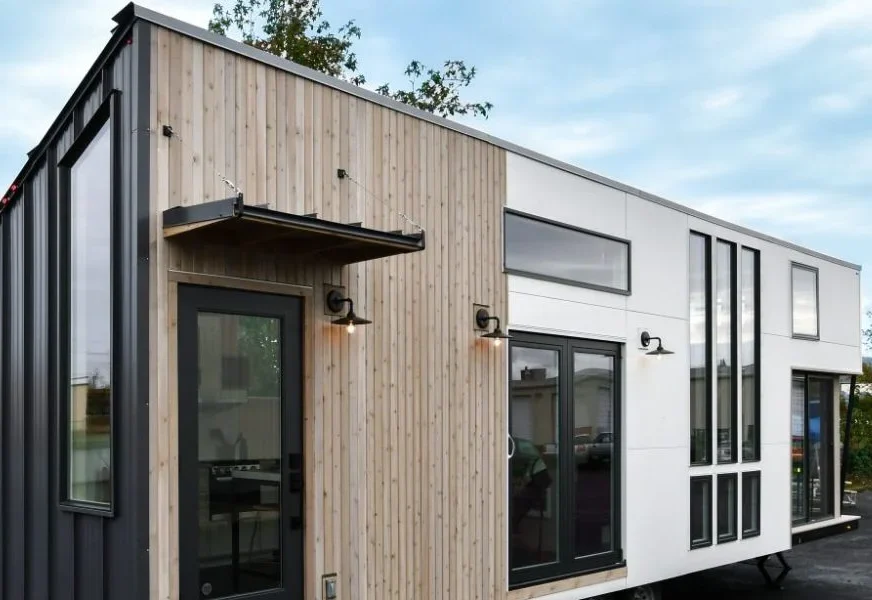
Mistake #1 of Tiny House Building Mistakes: Underestimating Your True Space Needs
One of the biggest misconceptions about tiny houses is that they are only suitable for extreme minimalists. This leads to the first and most fundamental of all tiny house building mistakes: underestimating your actual, day-to-day space needs. While minimalism is a core principle, it’s crucial to design a home that meets all your practical requirements without feeling cramped or uncomfortable.
The Danger of Designing for Your “Ideal Self”
Many first-time builders design for an idealized version of themselves—a person who has no hobbies, never has guests, and works entirely from a laptop on the sofa. But real life is messier. Before you settle on a layout, you must conduct a thorough “lifestyle audit.” This is the best way to avoid one of the most personal tiny house building mistakes. Ask yourself some honest questions:
- What do I actually do every day? Do you need a dedicated desk for an eight-hour workday? Do you love to cook elaborate meals and need more counter space than a standard tiny kitchen provides? Be brutally honest about your daily routines.
- What are my hobbies and passions? Where will you store your guitar, your yoga mat, your hiking gear, or your art supplies? Ignoring your hobbies is a classic tiny house building mistake that leads to frustration. A home should support your passions, not force you to abandon them.
- How do I socialize? Do you plan to have guests over for dinner? If so, you’ll need flexible seating or a guest loft. Do you value your alone time? Maybe a design with a separate reading nook is a priority.
- What about pets or future family? A design for one person is very different from a design for a couple with a large dog. If you’re thinking about children in the future, planning for that eventuality now is critical. Under-planning your space is one of those tiny house building mistakes that can make your dream home feel like a compromise.
The goal is to downsize your footprint, not your quality of life. A well-designed tiny home, even one under 300 square feet, can feel spacious and functional if it’s tailored to your real-world needs. Avoiding these personal miscalculations is the first step in steering clear of bigger tiny house building mistakes.
Mistake #2: Forgetting (or Ignoring) Local Regulations and Zoning
This is, without a doubt, the most catastrophic of all tiny house building mistakes. You can design and build the most beautiful tiny home in the world, but if it’s not legal to place it where you intend to live, it’s just an expensive and heartbreaking lawn ornament.
You must research local regulations and zoning laws before you even start designing. Building codes vary dramatically from state to state, county to county, and even city to city. Overlooking these regulations can spell disaster in the form of massive fines, eviction, or even a demolition order. This is not one of the tiny house building mistakes you can afford to make.
The Three Layers of Legality
- Zoning Laws: These rules dictate what you can build on a piece of land. They cover things like minimum square footage for a primary dwelling and whether you can place a secondary home (like an Accessory Dwelling Unit or ADU) in your backyard. You need to read your local zoning code, which is usually available on your county or city’s website.
- Building Codes: These are the safety standards for construction. For foundation-based tiny homes, many progressive areas have adopted IRC Appendix Q, a specific set of codes for homes under 400 square feet. This is a crucial piece of legislation to look for. If you ignore this, you’re making one of the most serious tiny house building mistakes.
- RV Certification (for THOWs): For Tiny Homes on Wheels (THOWs), the gold standard is a certification from the Recreational Vehicle Industry Association (RVIA). This isn’t a building code, but it’s a safety certification that is legally required by most RV parks and tiny home communities. It ensures your home meets over 500 safety standards for things like electrical and plumbing.
Our team at SVOLTEX emphasizes the importance of consulting the proper authorities. We build our homes to be RVIA certified, which provides our clients with the maximum legal flexibility, allowing their home to go anywhere an RV can go. Ignoring these legal frameworks is one of the most serious tiny house building mistakes a person can make. Don’t let this be one of your tiny house building mistakes.
Mistake #3: Neglecting or Skimping on Proper Insulation
It’s easy to get caught up in the exciting parts of the design process, like picking out countertops and paint colors, and to overlook the unseen hero of your home: insulation. This is one of the most common and uncomfortable tiny house building mistakes. A poorly insulated tiny home will be miserable to live in, leading to sky-high energy bills and a constant battle with the elements.
Why Insulation is Even More Critical in a Tiny Home
- Surface Area to Volume Ratio: A tiny home has a high surface-area-to-volume ratio, meaning it loses and gains heat much more quickly than a larger home. In winter, it can feel frigid, and in summer, it can turn into an oven. This makes quality insulation non-negotiable and one of the most important factors in avoiding long-term tiny house building mistakes.
- Condensation Risk: Many tiny homes have metal roofing or siding. When warm, moist air from inside hits this cold metal surface, condensation forms. This is not just a little water; it can lead to rampant mold, wood rot, and rust. Proper insulation, especially a continuous layer of closed-cell spray foam, creates a thermal break that prevents this condensation. Ignoring this is one of the most damaging tiny house building mistakes.
At SVOLTEX, we consider high-performance insulation a non-negotiable. We use closed-cell spray foam insulation and high-quality double-paned, argon-filled windows as our standard. This creates an incredibly airtight and efficient thermal envelope. We can even customize the insulation package for clients living in extremely cold climates. Failing to invest in a quality insulation system is one of those tiny house building mistakes you will regret every single day.
Mistake #4: Forgetting About Smart, Integrated Storage Solutions
“Where will I put all my stuff?” is the classic tiny house question. Finding enough storage space is one of the biggest challenges, and many first-time builders make the mistake of not incorporating enough creative storage solutions into their design. This is one of the most frustrating tiny house building mistakes, leading to constant clutter and a feeling of being disorganized.
Storage as Architecture, Not an Afterthought
The key is to think of storage not as something you add to your home, but as something you integrate into its very architecture. A home designed with this principle from the start avoids the clutter that plagues those who make these tiny house building mistakes.
- The Magic of Multi-Functionality: Every piece of furniture should be a storage opportunity. Think storage ottomans, lift-top coffee tables, and sofas with hidden compartments.
- Go Vertical: As we’ve discussed in our decorating guide, use the full height of your walls with floor-to-ceiling shelving and custom cabinetry.
- Tansu-Style Stairs: A staircase where every single step is a deep, functional drawer is a beautiful and incredibly efficient use of space.
- Toe-Kick Drawers: The space under your kitchen and bathroom cabinets is usually wasted. Installing shallow drawers in this space is perfect for storing flat items like baking sheets or extra towels.
At SVOLTEX, we specialize in designing innovative storage solutions tailored to maximize every inch of your home. Avoiding these tiny house building mistakes related to storage is crucial for a comfortable life. When you think creatively, living comfortably in a tiny home is easy. Forgoing this level of detailed planning is a common tiny house building mistake.
Mistake #5: Cutting Corners on High-Quality Building Materials
When building a tiny house, it can be incredibly tempting to opt for cheaper materials to cut costs. This is almost always a costly mistake in the long run. A tiny home, especially a THOW, is subjected to unique stresses—the vibrations and flexing of travel, extreme weather exposure, and intensive daily use. This is not the place to skimp. This is one of the most dangerous tiny house building mistakes.
The “Penny Wise, Pound Foolish” Trap
- The Foundation is Everything: Your trailer is the foundation of your home. Using a cheap, underbuilt trailer is the single worst tiny house building mistake you can make. It can lead to catastrophic structural failure on the highway. Invest in a custom-built trailer from a reputable manufacturer who follows standards set by organizations like the National Association of Trailer Manufacturers (NATM).
- Windows and Doors: Cheap windows and doors will leak air and water, leading to drafts, high energy bills, and potential water damage. High-quality, double-paned windows are a worthy investment in your comfort and your home’s longevity.
- Siding and Roofing: Your home’s exterior is its first line of defense. Investing in durable, low-maintenance materials like metal roofing and high-quality siding will protect your investment for years to come.
SVOLTEX advocates for investing in high-quality materials and craftsmanship. This not only safeguards your investment but ensures your home is safe, durable, and beautiful for decades. Trying to save a few dollars on the core components of your home is one of the most regrettable tiny house building mistakes.
Conclusion: Building Your Dream, The Right Way
Building a tiny house is an exciting and rewarding experience, but avoiding these common tiny house building mistakes is crucial to your long-term happiness. By taking the time to plan carefully—assessing your true space needs, researching regulations, and investing in quality insulation, storage, and materials—you can create a functional and comfortable home that will truly transform your life.
The journey to tiny living is complex, but you don’t have to do it alone. Getting help from professional tiny home designers like the team at SVOLTEX can help you navigate these challenges and build the tiny home that’s perfect for you, free from any of these common tiny house building mistakes. We are here to ensure your vision becomes a reality, the right way. Don’t let easily avoidable tiny house building mistakes derail your dream.

