A yard is more than just the land your house sits on; it’s a canvas for your life. It’s the stage for summer barbecues, the field for a child’s first soccer game, the sanctuary for a quiet morning with a cup of coffee, and the plot for a garden that feeds your family. The size of this canvas plays a defining role in the lifestyle a home can offer. Understanding the average yard size in the United States is not just a matter of curiosity—it’s crucial information for prospective homebuyers, current homeowners planning a renovation, and anyone looking to maximize their property’s potential.
The concept of the “American dream” has long been tied to the idea of a single-family home with a spacious yard, but the reality of that space varies dramatically across the country. From the sprawling lots of the Midwest to the compact, intimate gardens of the Northeast, yard sizes tell a story about regional history, urban development, and local lifestyles. This comprehensive guide will delve deep into the data, exploring the national, regional, and local trends that define the American yard.
We will go beyond mere statistics to explore the profound impact yard size has on everything from your property’s value and landscaping possibilities to your family’s recreational activities and overall well-being. Furthermore, we’ll discuss how to make the most of the space you have. Whether you’re working with a quarter-acre lot or a small urban patio, strategic design can unlock incredible potential. This is where expert planning and construction become paramount. Companies like Svoltex, which specialize in creating custom outdoor living solutions and Accessory Dwelling Units (ADUs), are masters at transforming any yard into a functional, beautiful, and valuable extension of the home.
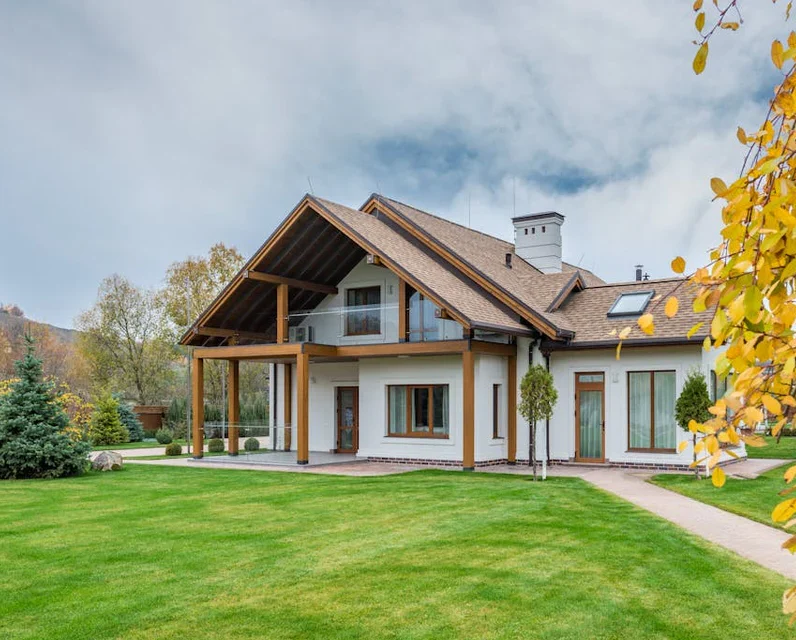
What is the National Average Yard Size in the U.S.?
To understand the variations, we must first establish a baseline. According to the most recent data from sources like the U.S. Census Bureau’s American Housing Survey, the median lot size for a new single-family home in the United States is approximately 8,895 square feet, which is just over one-fifth of an acre. Older homes, however, often sit on larger lots, bringing the overall national average for all single-family homes closer to 10,871 square feet, or a quarter of an acre.
An acre contains 43,560 square feet. Therefore, a quarter-acre yard provides a substantial amount of space—plenty of room for a lush lawn, a dedicated patio or deck area, garden beds, and a play area for children. However, this national average is a broad generalization that masks a fascinating and complex reality. The average yard size you are likely to encounter is heavily influenced by one critical factor: whether you are in an urban, suburban, or rural environment.
The Great Divide: Urban vs. Suburban Yard Sizes
The most significant factor determining yard size is population density. The more people packed into an area, the smaller and more valuable each square foot of land becomes. This creates a stark contrast between the typical urban and suburban living experiences.
The Compact Charm of Urban Yards
In the heart of America’s cities, private outdoor space is a precious luxury. The average yard size for a home in a dense urban area is often less than 5,000 square feet, and in many cases, it can be much smaller. Historic townhouses in cities like Boston or Philadelphia might have only a small, enclosed patio or courtyard measuring a few hundred square feet.
Characteristics of Urban Yards:
- Limited Space: Every inch counts. Design focuses on efficiency and verticality.
- Privacy Concerns: Proximity to neighbors necessitates clever use of fencing, screens, and tall plantings.
- Focus on Hardscaping: Patios, decks, and paved areas are common, as maintaining a traditional lawn can be impractical.
- Lifestyle Impact: Urban yards are extensions of the home’s living space, often designed for dining, entertaining, and container gardening. They trade sprawling lawns for walkability and proximity to city amenities.
The Sprawling Freedom of Suburban Yards
As you move away from the city center into the suburbs, the picture changes dramatically. The average yard size in suburban America typically ranges from 10,000 to 15,000 square feet (a quarter to a third of an acre), and in many communities, lots of a half-acre or more are common. This is the landscape that most people envision when they think of the classic American backyard.
Characteristics of Suburban Yards:
- Expansive Lawns: The traditional green lawn is a hallmark of suburban living, providing space for recreation and a sense of openness.
- Room for Amenities: Larger lots can easily accommodate swimming pools, trampolines, swing sets, large vegetable gardens, and outdoor kitchens.
- Greater Privacy: The distance between homes provides a natural buffer and a greater sense of seclusion.
- Lifestyle Impact: Suburban yards are hubs of family activity and a symbol of achieving a certain lifestyle. They require more maintenance (mowing, watering, landscaping) but offer unparalleled freedom for outdoor pursuits. For more on the history of American suburbs and their impact on lifestyle, you can explore resources from institutions like the National Museum of American History.
A Regional Breakdown of Average Yard Sizes in the US
Beyond the urban-suburban divide, average yard sizes vary significantly by region. These differences are rooted in historical settlement patterns, land availability, and local zoning philosophies.
The Northeast: Historic and Compact
(States like Vermont, New Hampshire, Massachusetts, New York, Pennsylvania, New Jersey)
The Northeast, particularly New England, is home to some of the oldest cities and towns in the country. This long history of development, combined with high population density, has resulted in some of the smallest average yard sizes in the nation.
- Average Size: Often under 10,000 square feet, with many lots in the 5,000-7,000 square foot range.
- Key Factors: Early development occurred before the age of the automobile, leading to more compact communities. The region’s rocky soil and hilly terrain can also make large, flat lots less common.
- Design Trends: Landscaping often focuses on classic, formal garden styles, with an emphasis on stone walls, perennial beds, and creating intimate “outdoor rooms.”
The Midwest: Open and Expansive
(States like Ohio, Illinois, Iowa, Kansas, Nebraska, Minnesota)
The Midwest is known for its wide-open spaces, and this is reflected in its generous yard sizes. With abundant, relatively flat, and affordable land, the region boasts some of the largest average lots in the country.
- Average Size: Frequently exceeds 15,000 square feet (a third of an acre), with half-acre and full-acre lots being common in many suburban and rural areas.
- Key Factors: The grid system of land surveying, established by the Land Ordinance of 1785, created a pattern of large, regular plots. Lower population density and a strong agricultural heritage contribute to the sense of space.
- Design Trends: The “great American lawn” reigns supreme. Yards are often used for large-scale vegetable gardening, sports, and family gatherings. There is ample room for large decks, patios, and even outbuildings.
The South: A Diverse and Growing Landscape
(States like Florida, Georgia, Texas, North Carolina, Tennessee)
The South is a region of contrasts. While it has rapidly growing, dense urban centers, its suburban and rural areas offer substantial yard sizes, driven by a culture that embraces outdoor living.
- Average Size: Varies widely but tends to be generous, averaging around 12,000 square feet.
- Key Factors: A boom in post-WWII suburban development created sprawling communities. The warmer climate makes year-round outdoor living a central part of the lifestyle, increasing the demand for usable outdoor space.
- Design Trends: The focus is on creating comfortable outdoor living areas to escape the heat. Covered porches, screened-in patios, swimming pools, and extensive shade trees are popular features.
The West: A Tale of Extremes
(States like California, Arizona, Colorado, Oregon, Washington)
The American West contains both the most densely populated urban areas and some of the most vast, undeveloped lands in the country. This leads to extreme variations in average yard size.
- Average Size: Highly variable, but a typical suburban average is around 10,000 square feet.
- Key Factors: In coastal California, land is incredibly expensive, leading to very small and valuable lots. In states like Arizona and Colorado, newer suburban developments often feature larger, master-planned lots. Water availability is also a critical factor, influencing the practicality of maintaining a large, grassy yard.
- Design Trends: Xeriscaping—landscaping that requires little or no irrigation—is extremely popular and environmentally responsible. You can learn more about these principles from resources like the National Geographic Society. Designs often feature native plants, gravel, pavers, and drought-tolerant species to create beautiful, sustainable outdoor spaces.
The Impact of Yard Size on Home Value, Lifestyle, and Potential
The size of your yard has a direct and measurable impact on your property’s financial value and the way you live in your home.
How Yard Size Affects Property Value
It’s a fundamental rule of real estate: all else being equal, a larger lot is more valuable. However, the relationship isn’t always linear. The “value of land” as a percentage of total property value varies by location. In a dense city, the land might account for 70% of the property’s value. In a rural area, it might be closer to 20%.
A larger yard increases value in several ways:
- Usable Space: It provides more room for recreation and relaxation, a key selling point.
- Privacy: Greater distance from neighbors is a highly sought-after commodity.
- Expansion Potential: A large yard offers the possibility of adding onto the house, building a pool, or constructing an Accessory Dwelling Unit (ADU)—all of which significantly boost value.
Landscaping and Gardening: Scaling Your Vision to Your Space
Your yard’s size is the primary constraint—and opportunity—for your landscaping and gardening ambitions.
- Large Yards (>15,000 sq. ft.): The possibilities are nearly limitless. You can implement “zone” landscaping with distinct areas for different purposes: a formal garden, a wild meadow, a large vegetable plot, an orchard, and a dedicated recreational lawn. The challenge here is maintenance and water consumption.
- Medium Yards (8,000 – 15,000 sq. ft.): This is the sweet spot for many families. There is enough room for a comfortable lawn, a substantial patio or deck, a play structure, and multiple garden beds without the maintenance becoming overwhelming.
- Small Yards (<8,000 sq. ft.): Efficiency is key. Smart design is crucial to avoid a cluttered feel. Techniques include vertical gardening, using multi-functional furniture, choosing dwarf plant varieties, and creating a focal point (like a small fountain or fire pit) to draw the eye. For expert advice on small-space gardening, publications like Fine Gardening offer a wealth of information.
Recreational Spaces for Every Yard Size
Your yard is your private park. Its size dictates the types of activities you can enjoy.
- Large Yards: Can accommodate sports courts (basketball, pickleball), swimming pools, and even large-scale play structures like a custom treehouse or zip line.
- Medium Yards: Perfect for a standard swing set, a trampoline, a fire pit area for gatherings, and open lawn space for games like croquet or badminton.
- Small Yards: Can still be highly recreational. Consider a compact hot tub, an outdoor movie screen, a cozy seating area for board games, or a built-in bocce ball court.
Unlocking Your Yard’s Full Potential with Svoltex
Regardless of your yard’s dimensions, its ultimate value lies in how you use it. This is where professional design and construction can make a world of difference. A company like Svoltex understands how to analyze a property and design a solution that is perfectly scaled to the space. For a large suburban lot, they might design an expansive multi-level deck with an integrated outdoor kitchen. For a compact urban yard, they could create a stunning, low-maintenance patio with a custom pergola that adds privacy and architectural interest. For homeowners with a medium-sized yard looking to add value and rental income, Svoltex are experts in designing and building ADUs that fit seamlessly into the existing landscape, maximizing both utility and return on investment.
Conclusion
The average yard size in the United States is a reflection of our nation’s diverse geography, history, and culture. From the tight-knit urban communities of the Northeast to the sprawling suburban landscapes of the Midwest, the space we call our own shapes our daily lives in profound ways. Understanding the trends in your specific region and community is the first step toward making informed decisions about buying a home or improving the one you already have.
Ultimately, the best yard isn’t necessarily the biggest one—it’s the one that is most thoughtfully designed to meet your needs. It’s a space that brings you joy, enhances your lifestyle, and adds lasting value to your home. By appreciating the unique potential of your own yard and partnering with experts who can help you realize that vision, you can create an outdoor sanctuary that is perfectly tailored to you.
Frequently Asked Questions (FAQs)
What is the national average yard size in the U.S.? The overall national average yard size for a single-family home is approximately 10,871 square feet, which is about a quarter of an acre. However, the median size for newly constructed homes is slightly smaller, at around 8,900 square feet.
How do urban and suburban yard sizes compare? There is a significant difference. Urban yards are typically much smaller, often under 5,000 square feet, due to high population density and land value. Suburban yards are considerably larger, generally ranging from 10,000 to 15,000 square feet (a quarter to a third of an acre), offering more space for lawns, gardens, and recreation.
Which region of the U.S. has the largest average yard sizes? The Midwest generally boasts the largest average yard sizes. The abundance of affordable, flat land has led to the development of communities with expansive lots, often exceeding 15,000 square feet.
How does yard size impact my landscaping options? Yard size is the single biggest factor in landscaping. Large yards can accommodate diverse features like separate garden zones, large lawns, and water features, but require more maintenance. Small yards demand clever, efficient design, often using vertical space, container gardens, and hardscaping to create a functional and beautiful area.
What are the gardening possibilities in different yard sizes? In a large yard, you can have extensive vegetable gardens, fruit tree orchards, and sprawling flower beds. In a medium yard, you can comfortably fit several raised beds for vegetables and ample space for ornamental plants. In a small yard, the focus shifts to container gardening, vertical gardens, window boxes, and small, intensively planted plots.
How can I create recreational spaces in a small yard? Even small yards can be highly recreational. Consider installing a compact hot tub, a built-in fire pit with surrounding seating, an outdoor projector screen for movie nights, a life-sized chessboard on a patio, or a narrow bocce ball or putting green along a side yard. The key is to choose activities with a smaller footprint.