
The tiny home movement has captured the hearts of millions, offering a life of freedom, simplicity, and financial relief. As you embark on the thrilling journey of creating your own tiny-home oasis, a critical and responsible question will undoubtedly arise: Are tiny houses safe? It’s a question that cuts through the beautiful Instagram photos and gets to the heart of what a home truly is—a sanctuary, a place of security and comfort.
The answer is a resounding yes, they absolutely can be, but safety is not an accident. It is the direct result of proper design, meticulous construction, and a commitment to quality. When you understand the factors that contribute to a secure dwelling, you can rest easy knowing your tiny sanctuary offers both charm and complete peace of mind. Many people ask, “are tiny houses safe?”, and this guide is here to answer that question comprehensively.
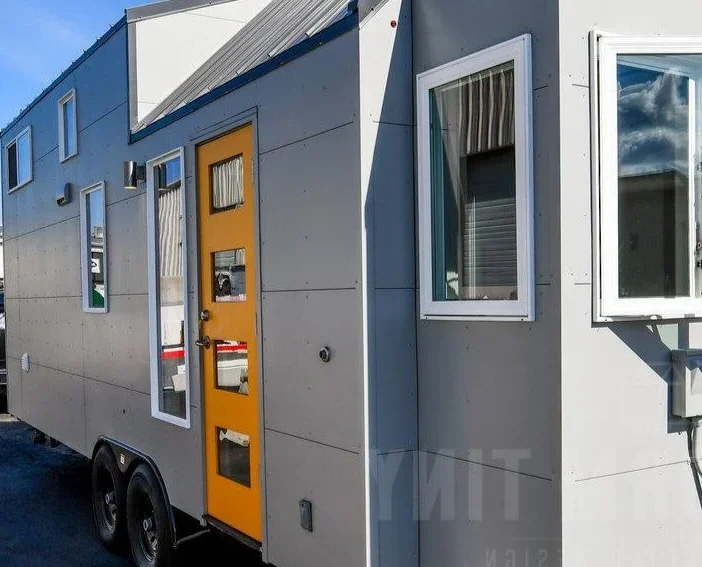
The Foundation of Security: Proper Design from Day One
When you’re embarking on the initial planning stages for your tiny home, it’s crucial to recognize that, despite its compact size, the design process must adhere to the fundamental principles of traditional home construction. A safe tiny home is not a glorified shed; it’s a high-performance piece of architecture. Key design elements are vital to ensure that the answer to “are tiny houses safe?” is a confident yes.
Structural Integrity: The Unseen Skeleton
A tiny house, especially one on wheels, is subjected to unique forces that a traditional home never experiences—the twisting, vibrating, and wind forces of highway travel.
- Engineering is Key: The design must account for these “dynamic loads.” This is why consulting with a structural engineer or working with an experienced builder is so important. They understand how to design a frame that is both lightweight and incredibly strong.
- Reinforcing Openings: Every window and door you cut into a tiny home creates a potential weak point. These openings must be reinforced with steel or heavy-duty wood headers to ensure the structure doesn’t warp or fail. Neglecting this is a recipe for an unsafe home and a negative answer to the question, “are tiny houses safe?”.
Fire Safety: A Non-Negotiable Priority
In a small space, fire safety is paramount.
- Egress and Escape Routes: Building codes mandate that sleeping areas have a clear, large enough emergency exit (egress window) in addition to the primary door. This is a life-saving feature that must be included.
- Smoke and CO Detectors: Every tiny home must be equipped with working smoke and carbon monoxide detectors.
- Material Choices: Opt for fire-resistant insulation and interior finishing materials whenever possible.
Ventilation and Air Quality
A tiny home is a small, airtight box. Without proper ventilation, moisture from cooking, breathing, and showering can build up, leading to mold, mildew, and poor air quality. Efficient insulation and well-thought-out layouts are necessary to make your home safe. A proper ventilation system, like a Heat Recovery Ventilator (HRV), is essential to ensure a constant supply of fresh, clean air. This is a critical aspect of answering “are tiny houses safe?” from a health perspective.
The Blueprint in Action: Careful and Meticulous Construction
A brilliant design is only as good as its execution. Throughout the construction phase of your tiny home, meticulous attention to detail is non-negotiable. It entails not only using superior-quality materials but also adhering to stringent building codes and upholding the highest safety standards. Many wonder, “are tiny houses safe?”, and the answer often lies in the quality of the build itself.
The Foundation: Trailer or Permanent
- For THOWs (Tiny Homes on Wheels): The trailer is your foundation. This is the single most important component, and it’s not the place to cut corners. A custom-built trailer from a reputable manufacturer who follows standards from the National Association of Trailer Manufacturers (NATM) is essential. It must be rated to handle the final weight of your home.
- Anchoring: You must properly anchor your house to the trailer and, when parked, anchor the home to the ground using tie-downs to prevent tipping in high winds. This is a critical step in making sure are tiny houses safe during storms.
Professional Trades are a Must
While the idea of a full DIY build is romantic, electrical and plumbing systems should be installed by licensed professionals.
- Electrical: Faulty wiring is one of the leading causes of house fires. A licensed electrician will ensure your system is safe, up to code, and can handle your electrical load.
- Plumbing and Gas: Improperly installed plumbing can lead to catastrophic leaks and water damage. Propane systems, which many tiny homes use for cooking and heating, must be installed with precision to prevent dangerous gas leaks.
A comprehensive approach to careful construction is essential to ensuring the long-term answer to “are tiny houses safe?” remains a firm “yes.”
The Long Game: Proactive and Extensive Maintenance
Similar to traditional homes, tiny homes require regular maintenance to ensure their structural integrity and safety standards are upheld over time. To keep asking “are tiny houses safe?” and getting a positive answer, you must be a proactive homeowner.
Your Regular Safety Checklist
- Monthly: Test smoke and carbon monoxide detectors.
- Seasonally: Inspect the exterior for any signs of water intrusion, check seals around windows and doors, and clean your ventilation system filters.
- Annually (for THOWs): Inspect the tires, brakes, and axles of your trailer. Check and tighten your home’s anchoring system.
By staying proactive in the upkeep of your tiny home and promptly addressing any safety issues, you can create a safe, comfortable living environment for yourself for decades to come.
The Rulebook: Compliance With Building Codes and Certifications
In addition to design, construction, and extensive maintenance, you must stay compliant with official building codes and certifications. These codes exist for one reason: to ensure that homes are safe. When you ask, “are tiny houses safe?”, the answer is often found in whether they are compliant.
IRC Appendix Q: The Code for Foundation Homes
For tiny homes on a permanent foundation, the most important piece of legislation is the International Residential Code (IRC) Appendix Q. This is a specific set of building codes designed for homes under 400 square feet. It provides a clear, legal pathway to building a safe tiny home and covers requirements for things like loft ladders, ceiling heights, and emergency exits. Adhering to this code is a definitive way to ensure your foundation-based home is safe.
RVIA Certification: The Gold Standard for THOWs
For Tiny Homes on Wheels, the most important safety standard is a certification from the RV Industry Association (RVIA). An RVIA-certified builder adheres to over 500 safety standards covering everything from electrical and plumbing systems to fire safety and vehicle regulations.
- Why it Matters: An RVIA seal is your best assurance that your THOW was built to rigorous, nationally recognized safety standards. It also makes it much easier to get financing, insurance, and legal parking in RV parks and tiny home communities.
Working with professionals who understand and diligently follow these building codes is the best way to create a secure, cozy home and to confidently say “yes” when asked, “are tiny houses safe?”.
The SVOLTEX Commitment to Safety
At SVOLTEX, safety is not an afterthought; it is the guiding principle behind every home we build. We understand that the question “are tiny houses safe?” is the most important one our clients have.
- Expert Design: Our designs are created with a deep understanding of structural engineering and safety principles.
- RVIA Certification: Our tiny homes on wheels are built to the highest standards and are RVIA certified, providing you with the ultimate peace of mind.
- Quality Construction: We use superior-quality materials and our construction process is meticulous, ensuring every home we build is a safe and durable sanctuary.
If you need help bringing your safe tiny home to life, let SVOLTEX help. Whether you are interested in a tiny RV home or want something more permanent, we have the expertise and tools necessary to make it real, beautiful, comfortable, and, above all, safe.
Conclusion: Safety is a Choice
So, are tiny houses safe? Yes, but that safety is a choice made at every step of the process. It’s a choice to invest in a proper design, to use high-quality materials, to hire professional tradespeople, and to adhere to proven safety standards. By infusing your tiny home journey with meticulous attention to detail, you can create a sanctuary that is as secure as it is charming.

